
Introduction
What causes sudden knee pain without injury? Sudden knee pain can occur even when there is no obvious accident or trauma. Common causes include gout, pseudogout, osteoarthritis, bursitis, tendon inflammation, rheumatoid arthritis, and joint infections. Sometimes, pain can also result from overuse, a minor unnoticed strain, or inflammation inside or around the knee joint. The cause becomes more concerning when sudden pain is accompanied by swelling, redness, warmth, fever, inability to bear weight, or difficulty moving the knee. Identifying the underlying cause is important because some conditions can improve with conservative treatment, while others require prompt medical attention.
Quick Answer: Why Does My Knee Suddenly Hurt Without an Injury?
Sudden knee pain without an obvious injury can happen for several reasons. The most common possibilities include:
- Gout or pseudogout
- Osteoarthritis flare-up
- Knee bursitis
- Tendon inflammation
- Rheumatoid or other inflammatory arthritis
- Joint infection (septic arthritis)
- Overuse or repetitive activity
- Fluid buildup inside the knee
- A minor injury that you may not have noticed
- Pain referred from another area, such as the hip
The pattern of pain can provide useful clues. For example, sudden severe pain with a hot, red, swollen knee may occur with gout or an infection, while gradually worsening stiffness is more commonly associated with arthritis.
Physical Examination
During the examination, your doctor may check:
- Knee swelling
- Tenderness
- Skin redness or warmth
- Range of motion
- Joint stability
- Muscle strength
- Pain during specific movements
- Signs of fluid inside the joint
The location of tenderness can also provide useful clues. Pain directly over a bursa, around the kneecap, or deep inside the joint may point toward different conditions.
What Tests May Be Needed?
Not everyone with sudden knee pain needs every test. The appropriate investigation depends on your symptoms and examination findings.
X-Ray
An X-ray can help identify:
- Osteoarthritis
- Bone abnormalities
- Fractures
- Joint-space narrowing
- Certain degenerative changes
However, X-rays do not show soft tissues such as the meniscus, most ligaments, or many tendon problems very well.
MRI Scan
An MRI provides detailed images of the soft tissues inside and around the knee.
It may be useful when your doctor suspects:
- Meniscus problems
- Ligament injuries
- Cartilage damage
- Tendon problems
- Other soft-tissue abnormalities
MRI is particularly useful when symptoms persist or the diagnosis is unclear after examination and initial imaging.
Ultrasound
Ultrasound can provide real-time images of certain structures around the knee, including tendons and other soft tissues. It may also help identify fluid collections around the joint.
Blood Tests
Blood tests may be recommended when your doctor suspects:
- Infection
- Inflammatory arthritis
- Gout or another systemic condition
- Other causes of inflammation
Blood tests alone usually cannot determine every cause of knee pain, so they are interpreted alongside your symptoms and examination.
What Is Joint Fluid Analysis?
If your knee is significantly swollen, your doctor may recommend joint aspiration, also called arthrocentesis.
During this procedure, a small amount of fluid is removed from the knee with a needle and sent for laboratory analysis.
The fluid can be checked for:
- Bacteria, which may indicate infection
- Crystals, which can occur with gout or pseudogout
- Blood, which may occur with certain injuries or other conditions
- Other characteristics that help identify inflammation
This can be particularly important when a person has a suddenly swollen, painful knee because gout and joint infection can sometimes produce similar symptoms.
Sudden Knee Pain: What Your Symptoms May Mean
Symptoms cannot confirm a diagnosis on their own, but certain patterns can provide clues.
Symptoms
Possible Causes
Sudden severe pain + swelling
Gout, pseudogout, infection
Hot, red, swollen knee + fever
Possible joint infection
Pain and stiffness after activity
Osteoarthritis or overuse
Pain over the front of the knee
Tendon or kneecap-related problems
Pain with prolonged kneeling
Bursitis
Recurrent swelling
Arthritis, inflammation, internal knee problem
Pain with stiffness in several joints
Inflammatory arthritis
Swelling and difficulty bending the knee
Joint effusion or inflammation
Important: These patterns are not a substitute for a medical diagnosis. Several conditions can produce similar symptoms, particularly when the knee is swollen and painful.
Sudden Knee Pain Without Injury: Common Causes at a Glance
If you’re searching for what causes sudden knee pain without injury, the following conditions are among the important possibilities:
Common Causes
- Gout – Sudden inflammation caused by uric acid crystals.
- Pseudogout – Joint inflammation caused by calcium-containing crystals.
- Osteoarthritis – Degenerative changes that can sometimes cause flare-ups.
- Bursitis – Inflammation of a fluid-filled sac around the knee.
- Tendon inflammation – Irritation caused by repetitive stress or overuse.
- Rheumatoid arthritis – An inflammatory autoimmune condition affecting joints.
- Joint infection – A potentially serious cause of sudden pain and swelling.
- Overuse – Increased physical activity can irritate tissues around the knee.
- Unnoticed minor injury – A small twist or strain may not seem significant initially.
- Fluid buildup – Inflammation inside the knee can cause swelling, tightness, and pain.
The appropriate treatment depends on which of these conditions is responsible.
1. What causes sudden knee pain without injury?
Sudden knee pain without injury can be caused by gout, pseudogout, arthritis, bursitis, tendon inflammation, joint infection, overuse, fluid buildup, or a minor injury that went unnoticed. The cause cannot always be determined from symptoms alone, so persistent or severe pain should be evaluated by a medical professional.
2. Why does my knee suddenly hurt when I didn’t injure it?
A knee can become painful without a clear injury because inflammation may develop inside or around the joint. Conditions such as gout, pseudogout, osteoarthritis flare-ups, bursitis, tendon irritation, and inflammatory arthritis can cause pain without a specific accident.
In some cases, repetitive activity or a minor movement may also irritate the knee without you realizing that an injury occurred.
3. Why is my knee swollen and painful without an injury?
Sudden swelling can occur when excess fluid accumulates in or around the knee. Arthritis, gout, pseudogout, infection, inflammation, and some internal knee problems can cause swelling.
A hot, red, severely painful, swollen knee, especially when accompanied by fever, requires prompt medical assessment because a joint infection is one possible cause.
4. Can arthritis cause sudden knee pain?
Yes. Although arthritis often causes gradual pain and stiffness, symptoms can sometimes become significantly worse over a short period.
An osteoarthritis flare-up may cause increased pain, swelling, stiffness, and difficulty with activities such as walking or climbing stairs.
Inflammatory forms of arthritis can also cause episodes of increased joint inflammation.
5. Can gout cause sudden knee pain?
Yes. Gout can affect the knee and may cause sudden, intense pain, swelling, warmth, redness, and tenderness.
Gout occurs when uric acid crystals accumulate in a joint and trigger inflammation. Because gout and joint infection can cause similar symptoms, a suddenly swollen and painful knee should not automatically be assumed to be gout.
6. When should I worry about sudden knee pain?
Sudden knee pain is more concerning when it is severe, rapidly worsening, or accompanied by:
- Fever or chills
- Significant swelling
- Redness or warmth
- Inability to bear weight
- Inability to move the knee
- Severe weakness
- A locked knee
- A visibly abnormal or deformed knee
These symptoms warrant prompt medical attention.
7. Can sudden knee pain go away on its own?
Mild knee pain caused by temporary overuse may improve with activity modification and appropriate self-care.
However, pain that keeps returning, becomes progressively worse, or is accompanied by swelling or other symptoms should be evaluated. The fact that pain disappears does not necessarily mean that the underlying problem has been resolved.
8. Should I walk if my knee suddenly hurts?
It depends on the severity and cause of the pain. If walking significantly increases your pain, causes instability, or you cannot comfortably put weight on the leg, avoid forcing the knee and seek medical advice.
For mild symptoms without warning signs, reducing high-impact activities and switching temporarily to comfortable, low-impact movement may be appropriate.
9. Do I need an MRI for sudden knee pain?
Not everyone with sudden knee pain needs an MRI.
Your orthopedic specialist may recommend an MRI when there is concern about soft-tissue problems such as a meniscus, ligament, cartilage, or tendon injury, particularly when symptoms persist or the diagnosis remains unclear after examination.
Other tests, such as X-rays, ultrasound, blood tests, or joint-fluid analysis, may be more appropriate depending on the suspected cause.
10. Can physiotherapy help sudden knee pain?
Physiotherapy can be helpful for several causes of knee pain, particularly when weakness, stiffness, movement problems, or overuse contribute to symptoms.
A physiotherapist may use exercises to improve:
- Knee strength
- Flexibility
- Balance
- Joint movement
- Muscle control
- Functional mobility
However, physiotherapy should be based on the underlying diagnosis. A suddenly hot, red, swollen knee should be medically evaluated before beginning an exercise program.
How Long Should You Wait Before Seeing a Doctor?
There is no universal number of days that applies to every case.
You should seek medical evaluation sooner if:
- The pain is severe.
- The knee suddenly becomes very swollen.
- You have fever.
- The joint is hot or red.
- You cannot bear weight.
- You cannot move the knee normally.
- The knee repeatedly gives way.
- Symptoms continue despite reducing activity.
- The pain keeps coming back.
For mild symptoms that are clearly related to increased activity, a short period of activity modification may be reasonable. If the symptoms do not improve or continue to recur, an orthopedic evaluation can help identify the underlying cause.
What Happens If You Ignore Recurrent Knee Pain?
Occasional mild knee discomfort does not always indicate a serious problem. However, repeated or persistent knee pain should not be routinely ignored.
Depending on the underlying cause, untreated symptoms may lead to:
- Reduced physical activity
- Muscle weakness
- Increasing stiffness
- Difficulty walking
- Reduced quality of life
- Progression of certain joint conditions
- Additional damage when an unstable knee is repeatedly overloaded
The earlier the underlying condition is identified, the easier it may be to develop an appropriate treatment and rehabilitation plan.
Key Takeaways
- Sudden knee pain can occur without an obvious injury.
- Common causes include gout, pseudogout, osteoarthritis, bursitis, tendon inflammation, inflammatory arthritis, joint infection, overuse, and fluid buildup.
- A suddenly painful knee that is hot, red, and swollen, particularly with fever, requires prompt medical evaluation.
- Mild pain after increased activity may improve with activity modification, but recurring symptoms should be assessed.
- X-rays, MRI, ultrasound, blood tests, or joint-fluid analysis may be used depending on the suspected cause.
- Treatment can range from activity modification and physiotherapy to medications, injections, or surgery, depending on the underlying condition.
- Do not assume that sudden knee pain is simply due to overuse or arthritis without considering other possible causes.
Conclusion
Knowing what causes sudden knee pain without injury can help you recognize when your symptoms may need medical attention. While overuse, arthritis, bursitis, and tendon irritation can cause knee pain without a specific accident, sudden severe symptoms can also occur with gout, pseudogout, or a joint infection.
The pattern of your symptoms matters. A mild ache after increasing your exercise routine is very different from a knee that suddenly becomes extremely painful, swollen, hot, and red. Similarly, occasional discomfort that improves with rest is different from recurring pain that affects your ability to walk, exercise, work, or sleep.
If your knee pain is persistent, recurrent, severe, or associated with swelling and instability, an orthopedic evaluation can help determine the underlying cause. Getting the right diagnosis is the first step toward choosing the right treatment and protecting your long-term knee health.
When Should You See an Orthopedic Specialist?
Consider consulting an orthopedic specialist if you have unexplained knee pain that:
- Persists or keeps returning
- Interferes with daily activities
- Causes difficulty walking
- Is associated with recurrent swelling
- Causes stiffness or reduced movement
- Produces instability or a giving-way sensation
- Does not improve with appropriate self-care
For sudden severe pain with fever, significant redness, warmth, or rapid swelling, seek prompt medical attention rather than waiting for the symptoms to resolve. For more patient information, see NHS: Knee pain.
Frequently Asked Questions
How Is Sudden Knee Pain Treated?
Treatment depends entirely on the underlying cause.
There is no single treatment that works for every type of sudden knee pain.
Treatment for Gout or Pseudogout
If the pain is caused by crystal-related arthritis, your doctor may recommend medications to reduce inflammation and control the underlying condition.
Treatment may depend on:
- Severity of the attack
- Other medical conditions
- Previous episodes
- Current medications
- Whether gout or pseudogout is confirmed
Do not assume that every suddenly swollen knee is gout. Joint infection can look similar and requires urgent treatment.
Treatment for Osteoarthritis
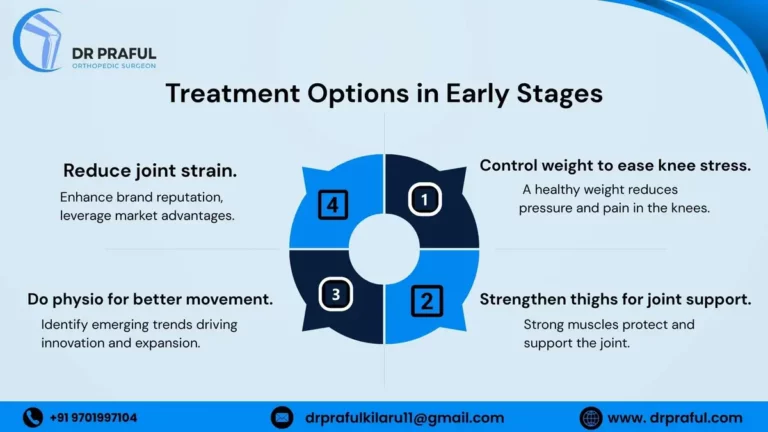
If sudden pain is related to an osteoarthritis flare-up, treatment may include:
- Activity modification
- Physiotherapy
- Muscle-strengthening exercises
- Weight management when appropriate
- Pain-relieving medication
- Bracing in selected cases
- Injections in appropriate patients
- Surgery for advanced disease when conservative treatment is no longer sufficient
Strengthening the muscles around the knee can improve stability and function, while low-impact activities may reduce stress on the joint.
Treatment for Knee Bursitis
Treatment depends on what caused the bursitis.
Your doctor may recommend:
- Avoiding activities that aggravate the area
- Temporary activity modification
- Ice
- Appropriate medication
- Physiotherapy
- Treatment of an underlying inflammatory condition
If bursitis is caused by infection, medical treatment is required rather than simply treating the pain at home.
Treatment for Tendon-Related Knee Pain
Tendon problems often respond to conservative treatment.
This may include:
- Reducing aggravating activities
- Gradual strengthening
- Stretching and flexibility exercises
- Physiotherapy
- Correcting movement patterns
- A gradual return to exercise
Simply stopping all physical activity for a prolonged period is usually not the long-term solution. A structured rehabilitation program can help restore strength and function.
Treatment for Inflammatory Arthritis
If sudden knee pain is related to rheumatoid arthritis or another inflammatory condition, treatment focuses on controlling the underlying inflammation.
Depending on the diagnosis, you may need evaluation by an orthopedic specialist, rheumatologist, or another appropriate healthcare professional.
Early treatment can be important for controlling symptoms and protecting joint function.
Treatment for Septic Arthritis
Septic arthritis requires urgent medical evaluation and treatment.
Treatment commonly involves:
- Antibiotics when a bacterial infection is confirmed or strongly suspected
- Drainage of infected joint fluid
- Monitoring for complications
- Treatment in a hospital setting in many cases
A joint infection can damage cartilage quickly, so a person with a hot, swollen, extremely painful knee, particularly with fever, should seek prompt medical care.
What Can You Do at Home for Mild Knee Pain?
If the pain is mild, there are no warning signs, and you can still walk and move your knee reasonably well, simple measures may help.
1. Reduce Activities That Increase Pain
Temporarily reduce running, jumping, deep squats, or other movements that aggravate the knee.
2. Use Ice for Swelling
An ice pack wrapped in a cloth can be applied for around 15–20 minutes at a time.
Avoid placing ice directly against your skin.
3. Keep the Knee Gently Moving
Complete immobilization is not always necessary for mild knee pain. Gentle movement within a comfortable range can help prevent stiffness.
4. Switch to Low-Impact Activities
If exercise is contributing to symptoms, consider temporarily replacing high-impact activities with options such as:
- Swimming
- Cycling
- Walking, if comfortable
- Water-based exercise
5. Elevate the Leg if Swollen
When resting, raising the leg can help reduce swelling.
These measures are intended for mild symptoms without concerning signs. Mayo Clinic recommends approaches such as rest, ice, compression, elevation, and low-impact activity for certain uncomplicated knee pain situations.
Should You Exercise When Your Knee Suddenly Hurts?
It depends on the cause.
If movement significantly increases pain or swelling, stop the activity that is aggravating the knee and seek medical advice if symptoms persist.
Once the underlying problem is identified, physiotherapy can be useful for many knee conditions. A customized rehabilitation program may focus on:
- Quadriceps strengthening
- Hamstring strengthening
- Hip strength
- Flexibility
- Balance
- Knee control
- Gradual return to normal activities
The correct exercises depend on the diagnosis. Exercises that help one condition may aggravate another.
Can Sudden Knee Pain Require Surgery?
Sometimes, but surgery is not the first treatment for most causes of sudden knee pain.
Many conditions can initially be managed with medication, activity modification, physiotherapy, or other conservative treatments.
Surgery may be considered when there is:
- Significant structural damage
- Persistent mechanical symptoms
- Severe degenerative disease
- A condition that does not improve with appropriate conservative treatment
- Certain fractures or internal knee injuries
- Advanced arthritis requiring joint replacement
The decision should be based on the underlying diagnosis rather than pain intensity alone.
How Can You Prevent Sudden Knee Pain?
Not every cause can be prevented, particularly conditions such as gout, inflammatory arthritis, or infection.
However, you can reduce the risk of some types of knee pain by:
- Maintaining a healthy body weight
- Building strength in the quadriceps and hamstrings
- Warming up before exercise
- Increasing exercise intensity gradually
- Avoiding sudden increases in running or training volume
- Wearing appropriate footwear
- Using correct exercise technique
- Including flexibility and balance exercises
- Taking breaks from prolonged kneeling
- Treating existing knee conditions appropriately
Strong muscles around the knee can help provide better support and stability during everyday activities.
When Is Sudden Knee Pain an Emergency?
Do not ignore sudden knee pain when it is accompanied by warning signs.
Seek urgent medical attention if you have:
- A very hot or red knee
- Severe swelling that develops quickly
- Fever or chills
- Severe or rapidly worsening pain
- Inability to bear weight
- Inability to move the knee
- A visibly deformed knee
- Significant weakness or instability
A particularly concerning combination is sudden knee pain with swelling, redness, warmth, and fever, because septic arthritis is one possible cause and can rapidly damage the joint.
What If the Pain Goes Away on Its Own?
Even if sudden knee pain disappears, recurring episodes should not be ignored.
Repeated episodes may indicate an underlying condition such as:
- Gout
- Osteoarthritis
- Inflammatory arthritis
- Bursitis
- Tendon problems
- An internal knee problem
Keeping track of when the pain occurs, how long it lasts, whether swelling develops, and what activities trigger it can help your doctor identify the cause.
How Can You Tell What Is Causing Sudden Knee Pain?
There is no reliable way to identify the exact cause based on pain alone. However, the timing, location, associated symptoms, and triggers can help your doctor narrow down the possibilities.
Symptom or Pattern
Possible Cause
Sudden severe pain with a hot, swollen joint
Gout, pseudogout, or joint infection
Pain with redness and fever
Possible joint infection
Pain and stiffness that worsen with activity
Osteoarthritis
Pain after increased exercise
Overuse or tendon irritation
Tenderness over a specific area around the knee
Bursitis or tendon problems
Repeated swelling
Arthritis or another internal joint problem
Pain and stiffness in several joints
Inflammatory arthritis
Swelling with difficulty bending the knee
Joint inflammation or fluid buildup
Pain that keeps returning
An underlying condition requiring evaluation
These symptoms can overlap, so they should be considered clues rather than a diagnosis.
This article is for general information and does not replace a medical consultation. For advice about your condition, book an appointment with Dr. Praful Kilaru.