
Total Hip Replacement Surgery in Hyderabad - Robotic
Dr. Praful’s Orthopedic Clinic, Malakpet
with
Advanced Diagnosis & Expert Care by Dr. Kilaru Praful
Total hip replacement surgery in Hyderabad using robotic technology offers precise, patient-specific care for lasting pain relief and better movement. With 17+ years of experience, Dr. Praful Kilaru uses advanced imaging and robotic assistance to plan and perform accurate hip replacement surgery, improving joint stability, alignment, and mobility—helping patients get back to an active, confident life.
What Is Total Hip Replacement Surgery (Robotic)?
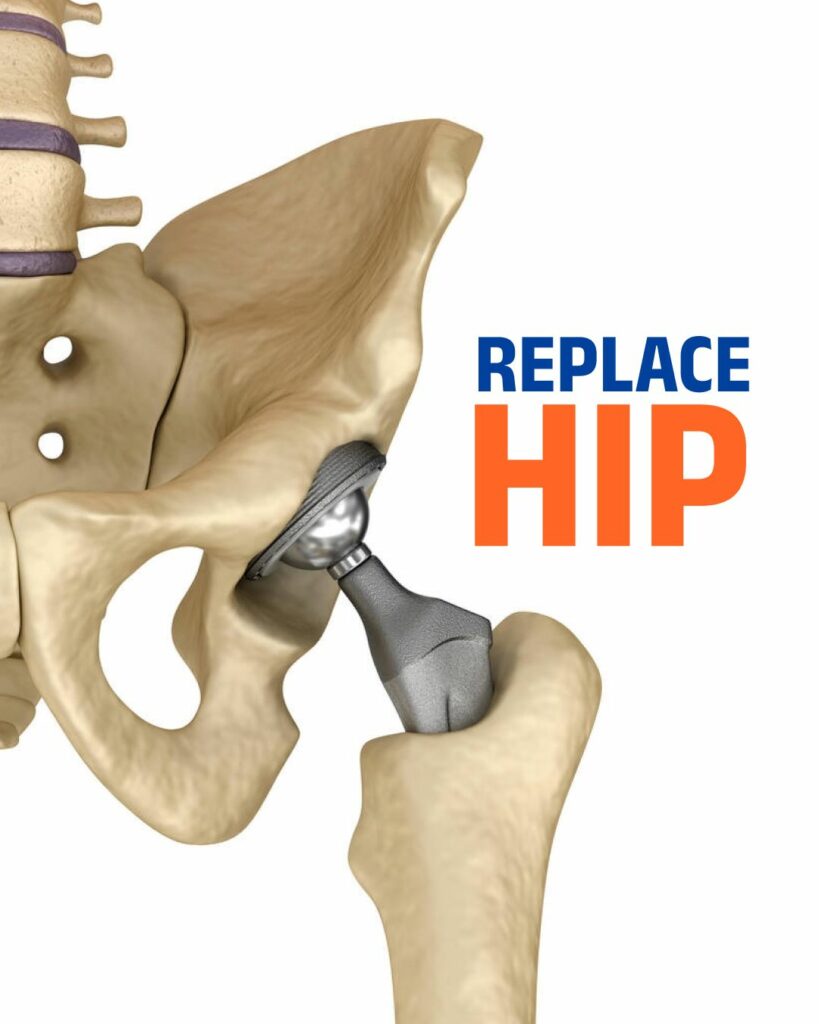
Total Hip Replacement Surgery using robotic technology is an advanced procedure that relieves hip pain and restores smooth joint movement caused by arthritis, fractures, or joint damage. Robotic assistance and detailed imaging help achieve precise implant placement, better alignment, and improved joint stability. Each treatment is personalized based on the patient’s age, bone quality, condition, and lifestyle, supporting faster recovery, better mobility, and long-term independence.
Total Hip Replacement Surgery in Hyderabad (Robotic) – Advanced Care for Pain Relief & Mobility
Total Hip Replacement Surgery in Hyderabad using robotic technology is designed to treat severe hip pain and joint damage caused by arthritis, fractures, or wear and tear. Robotic assistance allows precise implant placement through detailed imaging and pre-surgical planning, improving joint alignment, stability, and long-term performance. Each procedure is personalized based on the patient’s age, bone quality, activity level, and overall health, supporting safer recovery, smoother movement, and a confident return to daily life.
About the Dr.Praful

- 17+ Years of Excellence in Orthopedics
- MBBS, MS (Orthopaedics)
- AO Trauma Fellowship – Switzerland
- Arthroscopy & Sports Injury Specialist
- Senior Orthopedic Surgeon – Hyderabad
Struggling with Hip Pain or Joint Damage? Here’s What You Should Know
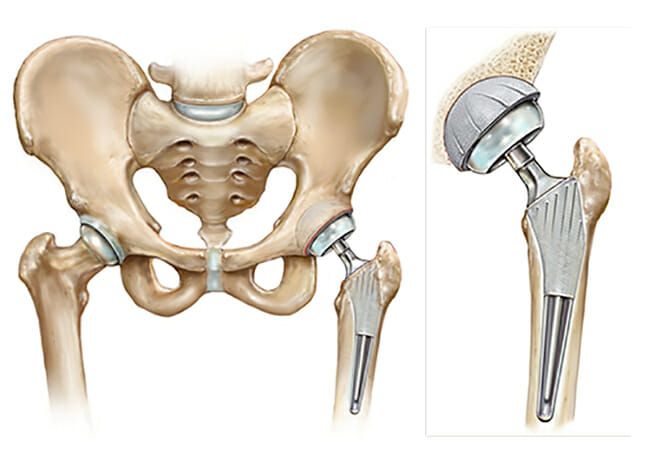
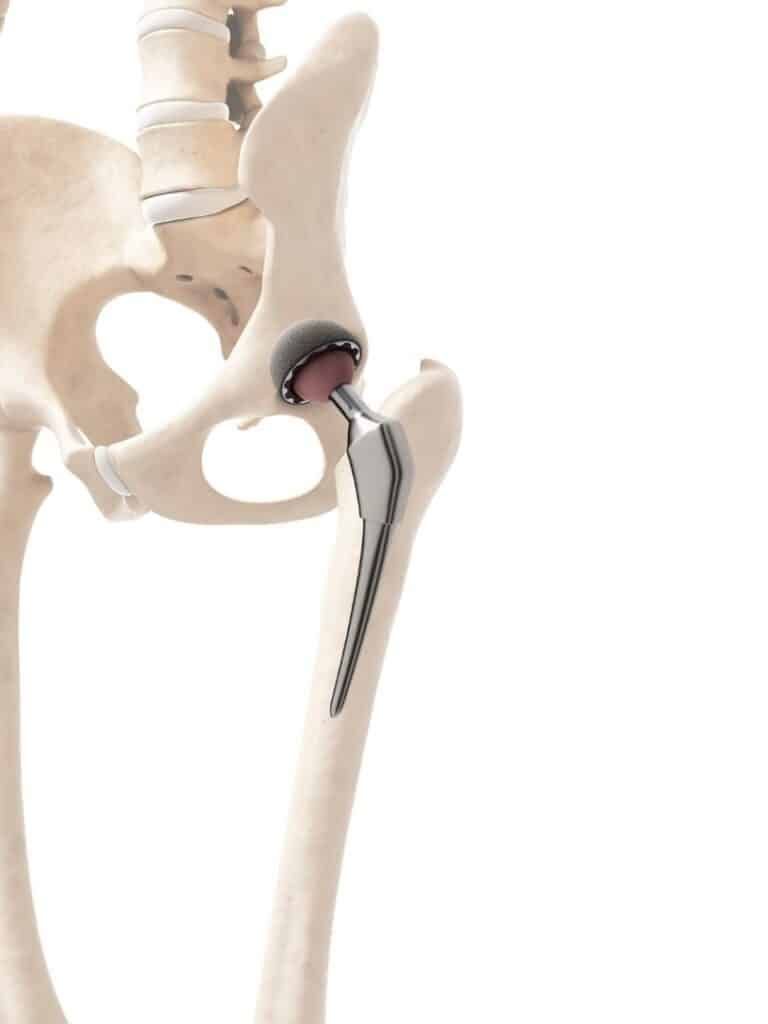
Total Hip Replacement Surgery in Hyderabad using robotic technology is a well-planned procedure designed to relieve severe hip pain and restore smooth joint movement caused by arthritis, fractures, or joint wear. The surgery uses advanced imaging and robotic guidance to place the implant with high precision, improving alignment, stability, and long-term function. With a personalized treatment plan, patients can recover safely and return to daily activities with better mobility and confidence.
Common Symptoms Indicating the Need for Total Hip Replacement (Robotic)
Symptoms
- Persistent hip pain that worsens while walking or standing
- Stiffness in the hip joint, especially after rest
- Difficulty walking long distances or climbing stairs
- Reduced hip flexibility and limited range of motion
- Pain that continues even during rest or sleep
Common Reasons Patients May Need Total Hip Replacement (Robotic)
- Advanced arthritis causing severe hip joint damage
- Hip fractures affect joint stability and movement
- Long-term wear and tear of the hip joint
- Avascular necrosis reducing blood supply to the hip bone
- Chronic hip pain that no longer improves with non-surgical care
Total Hip Replacement Surgery (Robotic) – Treatment Options
Non-Surgical Treatments
- Pain-relief and anti-inflammatory medications
- Physiotherapy to improve strength and flexibility
- Walking aids to reduce stress on the hip joint
- Lifestyle and activity modifications
- Regular imaging to track joint condition
Surgical Treatments
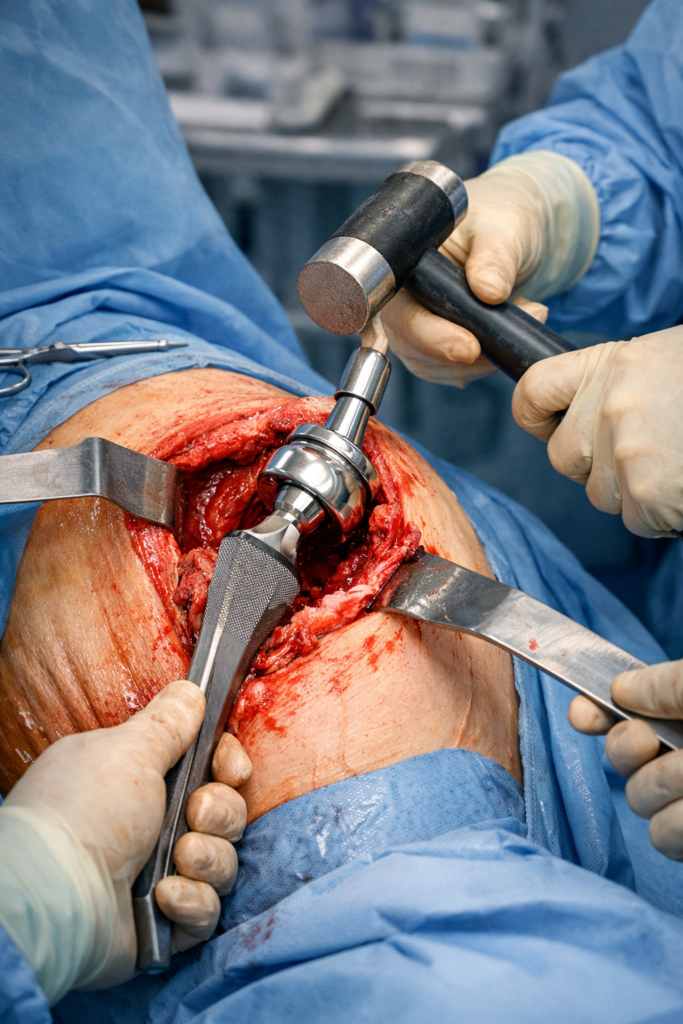
- Robotic-assisted total hip replacement for precision
- Accurate implant placement using advanced imaging
- Improved joint alignment and stability
- Minimally invasive techniques were suitable
- Revision hip replacement for worn or failed implants
Diagnosis for Total Hip Replacement (Robotic)
Reviewing hip pain history
Checking movement
X-rays for joint damage
CT or MRI for planning
Why Patients Highly Recommend Dr. Praful
| S.No | Reason | Description | Category |
|---|---|---|---|
| 1 | Strong Educational Background | MBBS, MS Orthopedics, AO Trauma Fellowship (Switzerland) | Qualification |
| 2 | 17+ Years of Clinical Excellence | Successfully treated thousands of patients | Experience |
| 3 | Expert in All Orthopedic Conditions | Knee, spine, shoulder, fractures, sports injuries, pediatric cases | Expertise |
| 4 | Advanced Robotic & Minimally Invasive Surgery | Faster recovery, less pain, precise results | Technology |
| 5 | Honest, Clear & Ethical Treatment | Surgery advised only when truly required | Ethics |
| 6 | High Surgical Success Rate | Thousands of pain-free, satisfied patients | Outcomes |
| 7 | Easy Accessibility – Located in Malakpet | Patients visit from Dilsukhnagar, Amberpet, Chaderghat & more | Location |
| 8 | Excellent Patient Reviews | Known for communication, care & surgical skill | Reputation |
| 9 | Personalized Treatment Plans | Tailored care for every patient | Care Quality |
| 10 | Modern Diagnostic Tools | Accurate assessment with advanced imaging | Diagnostic Quality |
| 11 | Comprehensive Ortho Care | Covers trauma, joint pain, arthritis & sports injuries | Specialty |
| 12 | Friendly & Supportive Team | Smooth experience from consultation to recovery | Patient Support |
| 13 | Fast Recovery Protocols | Focus on minimal downtime and faster healing | Recovery |
| 14 | Transparent Communication | Clear explanation of treatment options | Trust |
| 15 | Affordable Treatment Options | Quality orthopedic care at reasonable pricing | Value |
| 16 | High Patient Satisfaction | Strong word-of-mouth recommendations | Social Proof |
🩺 What Leads to the Need for Total Hip Replacement (Robotic)?
Total hip replacement surgery using robotic technology is recommended when the hip joint is severely damaged due to arthritis, fractures, or long-term wear. A thorough evaluation, including imaging and joint assessment, helps the surgeon plan the most precise and effective treatment for pain relief, improved mobility, and long-term joint stability.
1. Joint Damage & Wear
- Advanced arthritis of the hip
- Long-term joint wear and tear
- Loss of cartilage and joint space
2. Bone & Blood Supply Issues
- Avascular necrosis of the hip
- Weak or damaged hip bone
- Previous hip injuries or surgeries
3. Injury Severity
- Hip fractures affecting the joint
- Deformity or poor joint alignment
- Pain limits daily movement
Happy Patients
FAQs for Total Hip Replacement Surgery in Hyderabad (Robotic)
1. Is robotic surgery safe?
2. How is robotic surgery different from traditional hip replacement?
3. What is the recovery time?
4. Is robotic surgery available at Yashoda Hospital?
5. What is robotic total hip replacement surgery?
Robotic hip replacement uses advanced technology to help surgeons place the implant with high accuracy, improving joint alignment and movement.
6. Who needs total hip replacement surgery?
It is recommended for patients with severe hip pain due to arthritis, fractures, joint damage, or wear and tear that does not improve with non-surgical treatment.
7. How is robotic hip replacement different from traditional surgery?
Robotic surgery uses detailed imaging and computer guidance, allowing more precise implant positioning and better joint stability.
8. Is robotic hip replacement surgery safe?
Yes, it is a safe and proven procedure when performed by experienced orthopedic surgeons using proper planning and technology.
9. How long does robotic hip replacement surgery take?
The procedure usually takes 1 to 2 hours, depending on the patient’s condition and the complexity of the case.
10. What is the recovery time after robotic hip replacement?
Most patients start walking within a day or two and return to normal activities within a few weeks with proper physiotherapy.
11. Will robotic hip replacement reduce pain?
Yes, the surgery is designed to significantly reduce or eliminate hip pain and improve daily movement and comfort.
12. How long do hip replacement implants last?
With proper care and activity modification, modern hip implants can last 15–20 years or longer.
13. Is physiotherapy required after surgery?
Yes, physiotherapy is essential to regain strength, flexibility, and normal walking ability after hip replacement.
14. Can elderly patients undergo robotic hip replacement?
Yes, age is not a barrier. Overall health, bone quality, and medical fitness are more important factors.
15. When can I return to normal activities after surgery?
Most patients can resume routine activities within 4–6 weeks, while heavier activities may take a few months.