- Causes of Swollen Knee
- Swollen Knee Treatment
- Home Remedies for Swollen Knee Pain
- Risk Factors
- Complications
- Prevention
- When to See a Doctor
- Conclusion
- FAQs
A swollen knee is not just uncomfortable it can completely disrupt your daily routine. Whether it’s difficulty in walking, bending, or even standing for long periods, knee swelling can slow you down more than you expect. This condition can affect anyone, from athletes to people with a sedentary lifestyle.
Understanding the reason behind the swelling is the first step toward proper treatment.
Causes of Swollen Knee
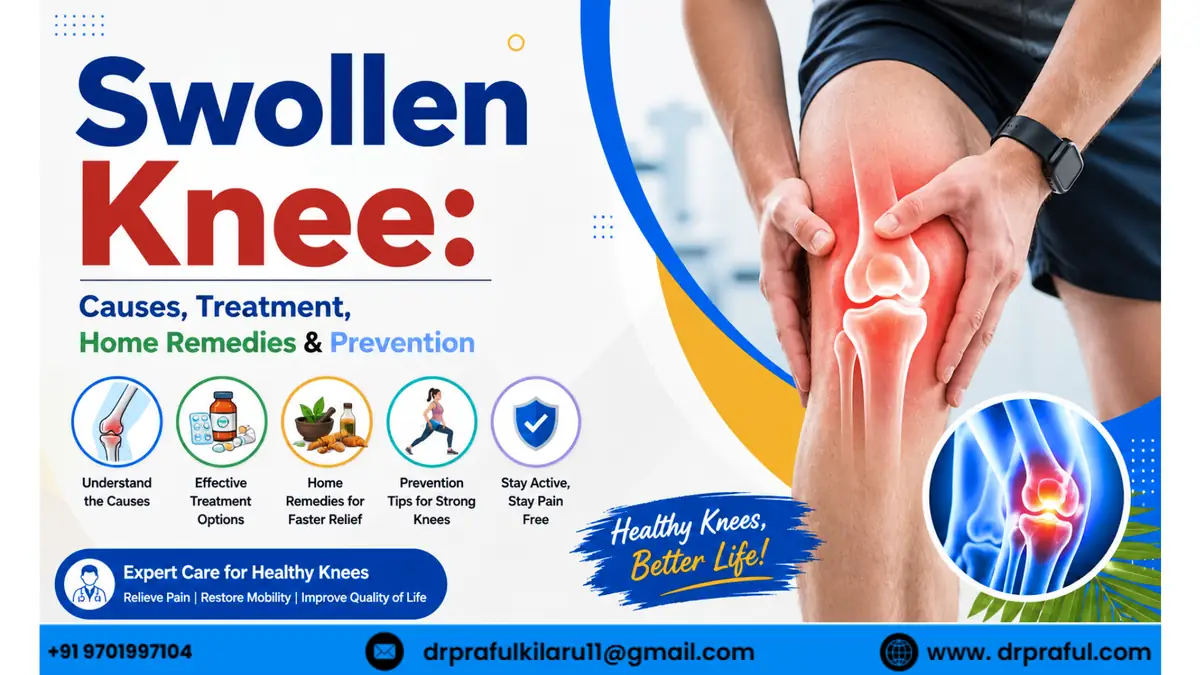
A swollen knee usually happens when excess fluid builds up in or around the joint. This condition is often referred to as “knee effusion.” The cause can vary from minor injuries to serious medical conditions, and identifying the root cause is essential for proper treatment.
In many cases, injuries are the primary reason behind knee swelling. Damage to ligaments, cartilage, or bones can trigger inflammation and fluid accumulation. For example, an ACL tear common in sports like football or basketball can lead to immediate swelling. Similarly, a meniscus tear occurs when the knee twists suddenly while bearing weight, damaging the cartilage that cushions the joint.
Apart from injuries, several medical conditions can also contribute to knee swelling. Osteoarthritis causes gradual wear and tear of the joint, while rheumatoid arthritis leads to chronic inflammation. Conditions like gout and pseudogout result from crystal deposits in the joint, causing sudden swelling and pain. Infections, bursitis, and even cysts can also lead to fluid buildup.
Swollen Knee Treatment
Treatment for a swollen knee depends largely on the severity and underlying cause. In mild cases, simple care methods can significantly reduce swelling and discomfort. However, more serious conditions may require medical intervention.
Doctors often recommend the R.I.C.E method as an initial approach:
- Rest to avoid further strain on the knee
- Ice application to reduce inflammation
- Compression using a knee bandage
- Elevation to control fluid buildup
For more severe cases, treatment becomes more advanced. Medications such as anti-inflammatory drugs help reduce pain and swelling. In some situations, corticosteroid injections are used to control inflammation inside the joint. Physical therapy plays a crucial role in restoring strength, flexibility, and stability. If structural damage like ligament or cartilage tears is present, surgical procedures may be necessary to repair the joint.
Home Remedies for Swollen Knee Pain
Along with medical treatments, certain home remedies can help manage knee swelling effectively. These remedies are especially useful in the early stages or for mild discomfort.
Applying a cold compress for short intervals helps reduce inflammation and numbs the pain. Elevating the leg above heart level allows excess fluid to drain, reducing swelling. Warm baths with Epsom salt can relax the muscles and improve blood circulation around the joint.
Diet also plays an important role in recovery. Consuming anti-inflammatory foods like turmeric, ginger, and omega-3-rich foods can naturally reduce swelling. Maintaining a healthy weight reduces pressure on the knee joint, which helps in faster healing. Gentle stretching and low-impact exercises can improve mobility without putting excessive stress on the knee.
Risk Factors
Certain factors increase the likelihood of developing knee swelling, even without a direct injury. Age is one of the most common contributors, as joints naturally weaken over time. Excess body weight adds pressure to the knees, increasing the risk of inflammation and joint damage.
People who engage in high-impact sports or repetitive activities are also more prone to knee swelling. Additionally, individuals with pre-existing conditions such as arthritis or diabetes may experience swelling more frequently. In athletes, sudden swelling is often linked to strain, overuse, or unnoticed injuries during physical activity.
Complications
Ignoring a swollen knee can lead to long-term complications that affect mobility and quality of life. What may start as mild swelling can gradually turn into chronic pain if not treated properly.
One of the common complications is muscle weakness, particularly in the thigh muscles, due to reduced movement. In some cases, excess fluid can form a Baker’s cyst behind the knee, causing stiffness and discomfort. Persistent swelling can also damage joint structures over time.
In rare situations, untreated swelling caused by infection can lead to serious health risks. When fluid buildup becomes excessive, doctors may need to remove it using a medical procedure to relieve pressure and prevent further damage.
Prevention
Preventing knee swelling is much easier than treating it later. Small lifestyle changes can make a big difference in maintaining knee health over time.
- Maintain a healthy body weight to reduce joint pressure
- Avoid excessive high-impact activities
- Use proper footwear and protective gear during sports
- Warm up before exercise and stretch regularly
- Pay attention to early signs of discomfort and rest when needed
Consistency in these habits helps protect your knees from unnecessary stress and injuries.
When to See a Doctor
While mild knee swelling can often be managed at home, certain symptoms should not be ignored. Seeking medical attention at the right time can prevent serious complications.
If you experience severe pain, difficulty in walking, or inability to bear weight on the knee, it is important to consult a doctor. Signs of infection such as redness, warmth, or fever also require immediate attention. Additionally, if the swelling persists for several days or keeps recurring, a professional evaluation is necessary to identify the underlying issue.
Conclusion
A swollen knee can impact your daily activities, but with the right approach, it is manageable and often treatable. Identifying the cause, following proper treatment, and adopting preventive habits can significantly improve recovery and reduce the chances of recurrenceIf symptoms continue or worsen, consulting a healthcare professional is always the safest choice. Taking early action ensures better mobility, less pain, and a quicker return to normal activities.
Frequently Asked Questions
How long does a swollen knee take to heal?
Recovery time depends on the cause. Minor swelling may improve within a few days, while injuries can take several weeks.
Is walking good for a swollen knee?
Light movement can help, but excessive walking or strain should be avoided during the initial phase.
Should I use heat or ice for knee swelling?
Ice is recommended in the early stages to reduce inflammation, while heat may help later for stiffness
Can diet help reduce knee swelling
Yes, anti-inflammatory foods like turmeric, ginger, and omega-3 fatty acids can support recovery.
Are knee injections safe for pain relief?
Yes, when performed by an experienced orthopedic doctor, injections like PRP or hyaluronic acid are safe and can provide long-lasting pain relief without surgery.
This article is for general information and does not replace a medical consultation. For advice about your condition, book an appointment with Dr. Praful Kilaru.