
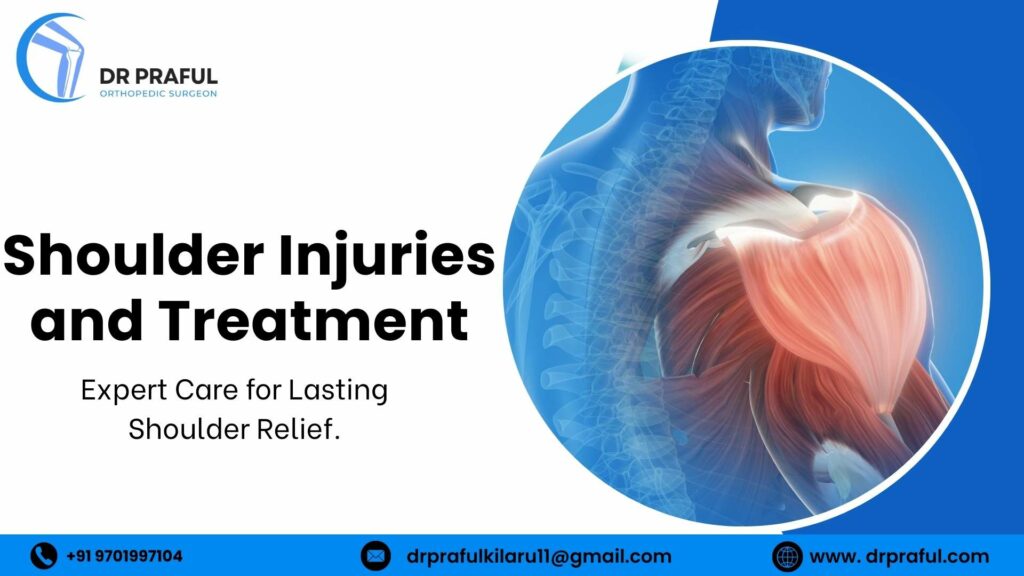


Shoulder Injuries and Treatment

Shoulder Injuries and Treatment

Shoulder pain is one of the most common problems people experience at any age. The shoulder is one of the most mobile joints in the body, helping us raise, turn, and move our arms in different directions easily. Because it moves so much, it is also easier to injure. Shoulder injuries and treatment is an important topic because ignoring early pain can lead to long-term damage, stiffness, or even surgery. Understanding how shoulder injuries happen and how they are treated helps patients take the right action at the right time.

Why the Shoulder Gets Injured So Easily

The shoulder is not just one joint. It is made up of bones, muscles, tendons, and ligaments working together. The main bones involved are the upper arm bone, shoulder blade, and collarbone. The muscles and tendons around the shoulder help keep it stable and allow movement. Since the shoulder allows greater movement than other joints, it relies heavily on soft tissues for support. If these soft tissues are overused, stretched, or torn, pain begins. This is why athletes, gym-goers, office workers, and the elderly commonly experience shoulder problems.

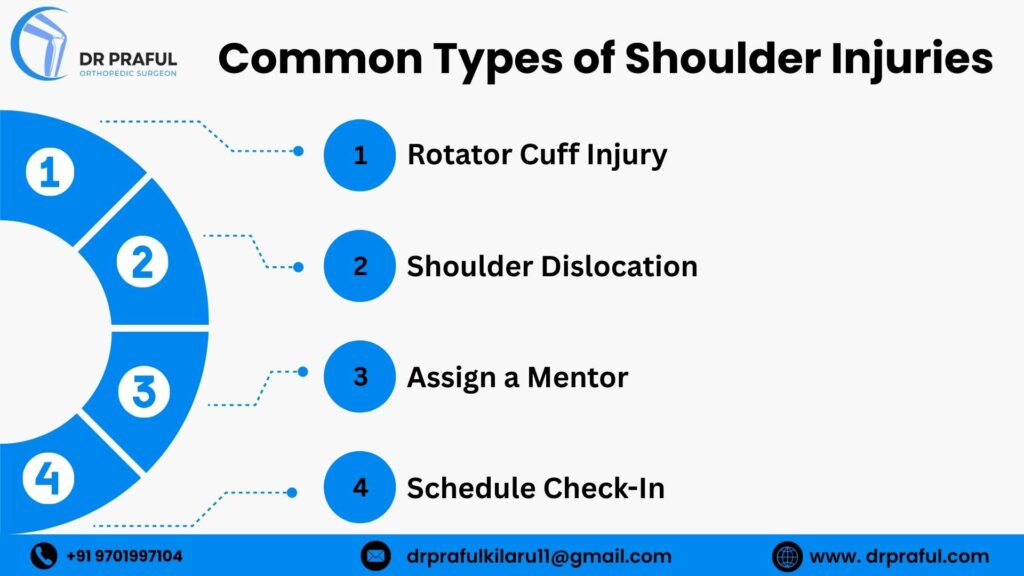
Common Types of Shoulder Injuries

Shoulder Injuries and Treatment

1. Rotator Cuff Injury

The rotator cuff is a set of muscles and connecting tissues that support the shoulder joint and help it stay stable during movement. If these tendons are strained or torn, it causes pain while lifting the arm or sleeping on that side. This is common in people who lift heavy weights or perform repeated overhead movements.

2. Shoulder Dislocation

A shoulder dislocation occurs when the upper arm bone slips out of its natural socket in the joint. This usually occurs due to a fall, accident, or sports injury. It causes severe pain and immediate inability to move the arm.

3. Frozen Shoulder

Frozen shoulder develops slowly. The shoulder becomes stiff and painful, and movement becomes very limited. It is more common in people with diabetes or those who keep their shoulders still for a long time after an injury.

4. Shoulder Impingement

This condition happens when shoulder tendons get pinched between bones during movement. It causes pain when lifting the arm overhead and is common among swimmers, painters, and athletes.

About the Dr.Praful

Shoulder Injuries and Treatment

Symptoms You Should Never Ignore

Shoulder pain is not always serious, but certain symptoms indicate that medical attention is necessary.

Main warning signs include:

  • Persistent pain lasting more than a few days
  • Swelling or visible deformity
  • Difficulty lifting the arm
  • Clicking or grinding sound
  • Weakness in the shoulder
  • Severe pain after a fall or injury

If these symptoms are ignored, the condition can worsen over time.

Diagnosis: How Doctors Identify Shoulder Problems

When a patient visits an orthopedic specialist, the doctor first asks about symptoms, lifestyle, and injury history. A physical examination is performed to check movement, strength, and pain points. If needed, imaging tests such as X-rays or MRI scans are recommended. X-rays help detect bone issues, while MRI scans show soft tissue injuries like ligament or tendon tears. Proper diagnosis is important because treatment depends completely on the exact problem.

Shoulder Injuries and Treatment

Shoulder Injuries and Treatment Options

The treatment plan is decided based on how serious the injury is and what type of damage has occurred. Not all shoulder problems require surgery. In fact, many cases improve with non-surgical methods.

Non-Surgical Treatment

Most mild to moderate shoulder injuries can be treated without surgery. Doctors may suggest:

  • Rest and avoid painful movements
  • Ice application to reduce swelling
  • Pain relief medications
  • Physiotherapy exercises
  • Shoulder support or sling

Physiotherapy plays a major role in recovery. Strengthening exercises improve flexibility and reduce stiffness. Many patients recover completely within weeks or months with proper guidance.

Surgical Treatment

Surgery is recommended only when the injury is severe, such as a complete rotator cuff tear, repeated dislocations, or fractures. Modern surgical techniques are minimally invasive, meaning smaller cuts, faster healing, and less pain. After surgery, rehabilitation is necessary. Recovery takes time, but most patients regain good shoulder function with proper follow-up.

What Patients Should Intend and Understand

Many patients delay treatment because they think shoulder pain will go away on its own. While minor strains may heal, continuous pain needs attention. The intention of patients should be:

  • Do not ignore persistent shoulder pain
  • Avoid self-medication for long periods
  • Seek early medical consultation
  • Follow physiotherapy regularly
  • Complete the full treatment plan

Early treatment prevents complications. Waiting too long can turn a small injury into a serious tear.

Shoulder Injuries and Treatment

Recovery and Prevention

Recovery depends on injury type, patient age, and overall health. Some injuries heal in weeks, while others may take months. Following medical advice strictly improves healing speed.

To prevent shoulder injuries:

  • Warm up before sports or exercise
  • Avoid lifting excessive weight suddenly
  • Maintain correct posture while working
  • Strengthen shoulder muscles regularly
  • Avoid repetitive strain without rest
  • Prevention is always easier and cheaper than treatment.

When to See an Orthopedic Specialist

You should consult a specialist if pain interferes with daily activities like combing hair, wearing clothes, or lifting objects. Immediate consultation is necessary if there is a sudden injury after a fall or accident. Early evaluation ensures correct diagnosis and faster recovery.

Final Thoughts

Shoulder injuries and treatment are not just about curing pain; it is about protecting your long-term mobility. The shoulder is essential for almost every daily activity, from writing and cooking to playing sports. Ignoring early symptoms can lead to stiffness, weakness, and chronic discomfort.The good news is that most shoulder injuries can be treated successfully with timely medical care. Understanding your symptoms, seeking expert advice, and following the treatment plan properly are the keys to complete recovery.

Shoulder Injuries and Treatment – FAQs

1. What are shoulder injuries?

Shoulder injuries happen when the bones, muscles, or tendons in the shoulder get damaged. This can happen due to falls, sports, heavy lifting, or repeated movements. It usually causes pain, swelling, or difficulty moving the arm.

Common causes include muscle strain, ligament tears, dislocation, or frozen shoulder. Poor posture and overuse during sports or gym workouts can also lead to pain. Sometimes, aging naturally weakens shoulder tissues.

A rotator cuff tear is damage to the group of tendons that keep the shoulder stable. It may happen due to injury or long-term wear and tear. It causes pain while lifting the arm or sleeping on that side.

If the pain lasts more than a few days or limits your arm movement, it may be serious. Swelling, weakness, or visible deformity are warning signs. Severe pain after a fall needs immediate medical attention.

Mild shoulder strains may heal with rest and proper care. However, serious injuries like tears or dislocations usually need medical treatment. Ignoring symptoms may worsen the condition.

Frozen shoulder is a problem where the joint gradually becomes stiff and painful, making it hard to move the arm. It usually develops slowly, and recovery can take several months.

Shoulder dislocation happens when the upper arm bone comes out of its socket. It usually occurs due to accidents or sports injuries. It causes intense pain and immediate loss of movement.

Doctors first perform a physical examination to check pain and movement. They may recommend X-rays or MRI scans for a clear view of bones and soft tissues. Proper diagnosis helps choose the right treatment.

The right treatment is chosen based on how serious the injury is. Many people recover with rest, medicines, and physiotherapy, while surgery is considered only when other treatments do not give relief.

Yes, physiotherapy plays a major role in healing shoulder injuries. It helps restore strength, flexibility, and normal movement. Regular exercises prevent stiffness and future injuries.

Surgery is needed for severe tears, repeated dislocations, or fractures. It is usually considered when other treatments do not give relief. Modern surgical methods allow faster recovery.

Recovery time depends on the type of injury and treatment method. Mild injuries may heal within weeks, while severe cases may take months. Following medical advice speeds up recovery.

Yes, shoulder injuries can develop slowly due to overuse or poor posture. Repeated movements in sports or office work can cause strain. Aging also increases the risk of shoulder problems.

Stretching and strengthening exercises improve shoulder stability. Warm-up exercises before sports reduce injury risk. Regular muscle conditioning keeps the joint healthy.

Yes, sleeping on the injured shoulder can increase pain. Poor sleeping posture may worsen discomfort. Using a proper pillow support can reduce pressure on the joint.

Yes, especially in teenagers involved in sports or gym activities. Overtraining or incorrect technique can cause injuries. Early care prevents long-term damage.

Ignoring shoulder pain can lead to chronic stiffness and weakness. Small tears may become bigger over time. Delayed treatment may even require surgery later.

Yes, aging weakens muscles and tendons, making injuries more common. Conditions like arthritis also affect the shoulder. Proper medical care improves quality of life.

Yes, shoulder pain can make simple tasks difficult. Activities like combing hair, lifting objects, or dressing may become painful. Timely treatment restores normal function.

If pain lasts more than a few days or limits movement, consult a specialist. Sudden severe pain after injury needs urgent care. Early treatment prevents complications and speeds recovery.

Shoulder Injuries and Treatment
Scroll to Top

Book An Appointment