
Legs Weakness and Pain
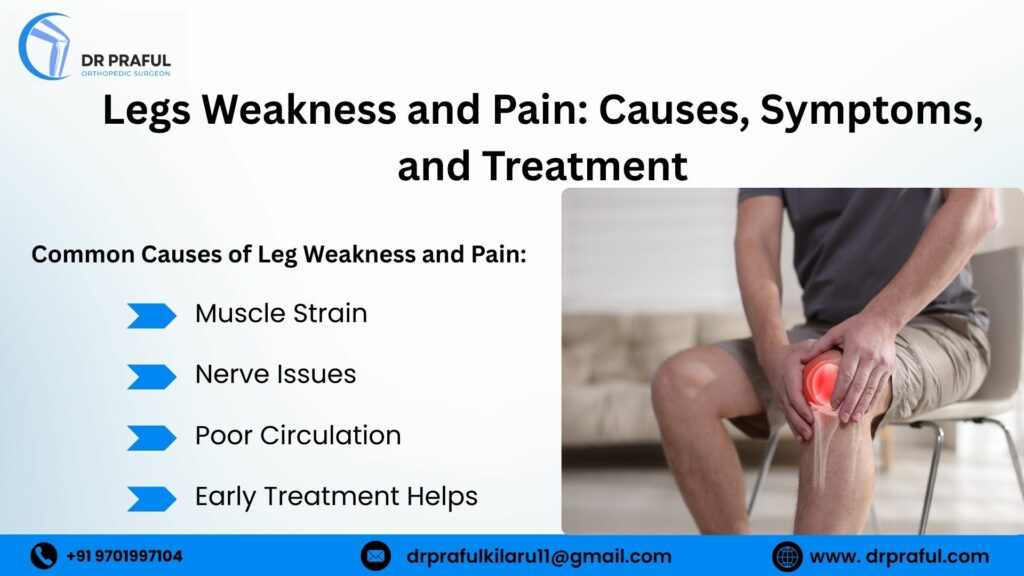
Leg weakness and pain are common problems that can affect people of all ages. Many individuals experience leg discomfort after prolonged standing, walking, or physical activity. However, when the weakness or pain becomes frequent or severe, it may indicate an underlying health issue that needs attention. The legs bear the entire body’s weight and play a major role in daily activities such as walking, climbing stairs, and maintaining balance. Because of this constant use, the muscles, joints, and nerves in the legs can sometimes become strained or damaged. For many patients, leg weakness is not just about pain. It may also involve difficulty standing for extended periods, difficulty walking long distances, or a sense that the legs are insufficiently strong to support the body. Some people also experience cramps, stiffness, or numbness along with weakness. Understanding potential causes and recognizing early symptoms can help patients seek medical advice promptly and prevent further complications.
Understanding Leg Weakness and Pain
- Leg weakness occurs when the muscles in the legs are unable to produce enough strength to perform normal activities. This weakness may affect one or both legs, depending on the underlying cause. Sometimes the problem begins gradually, while in other cases it may appear suddenly.
- Pain in the legs can vary among individuals. Some patients describe it as a dull ache, while others feel sharp pain, burning sensations, or muscle cramps. In many situations, weakness and pain co-occur because the muscles, nerves, and joints of the leg function in concert. When one part is affected, it can influence the overall function of the leg.
- The leg is made up of many important structures, including bones, muscles, ligaments, tendons, and nerves. These components must function properly for smooth movement. If any of these structures are injured, inflamed, or compressed, the result can be weakness, discomfort, or difficulty walking.
Common Causes of Leg Weakness and Pain
- There are many reasons why someone may experience weakness and pain in the legs. Some causes are temporary and improve with rest, while others may require medical treatment. Identifying the exact cause is important because treatment depends on the underlying condition.
- One of the most common causes is muscle strain. This typically occurs when muscles are overused during exercise, sports, or heavy physical work. Strained muscles may become painful and tired, leading to temporary weakness.
- Another possible cause is nerve compression. Nerves carry signals between the brain and the muscles. If a nerve is compressed due to a spinal problem, disc injury, or inflammation, it may cause pain that travels down the leg along with weakness or numbness.
- Poor blood circulation can also contribute to leg weakness and discomfort. When muscles do not receive sufficient oxygenated blood, they may experience fatigue and pain during activity. This condition is sometimes observed in individuals with vascular disease.
- Joint conditions, such as arthritis, may also cause leg pain. Arthritis is characterized by joint inflammation, making movement difficult and uncomfortable. Over time, this can affect the strength and function of the legs.
- In addition to these causes, some lifestyle factors can also contribute to leg weakness and pain.
Some common contributing factors include:
- Long periods of sitting or inactivity
- Poor posture while walking or standing
- Lack of regular exercise
- Nutritional deficiencies
These factors may not always cause severe medical problems, but they can increase strain on the legs and lead to discomfort over time.
About the Dr.Praful

- 17+ Years of Excellence in Orthopedics
- MBBS, MS (Orthopaedics)
- AO Trauma Fellowship – Switzerland
- Arthroscopy & Sports Injury Specialist
- Senior Orthopedic Surgeon – Hyderabad
Symptoms That Often Accompany Leg Weakness
- Leg weakness rarely occurs alone. Many patients notice other symptoms that provide clues about the underlying problem. Paying attention to these symptoms can help doctors identify the cause more easily.
- One common symptom is muscle fatigue. Patients may experience leg fatigue during simple activities, such as walking or climbing stairs. Some individuals also experience muscle cramps, especially at night or after physical activity.
- Another symptom is stiffness, which may make it difficult to bend the knee or move the leg freely. Stiffness often occurs when muscles or joints become inflamed.
- In certain cases, people may notice numbness or tingling in the legs. This sensation typically indicates nerve irritation or compression. The feeling may spread from the lower back into the thigh, calf, or foot.
- Some patients also report a sense of instability, in which the leg suddenly feels weak or unable to support the body weight. This can increase the risk of falls and injuries, particularly in older adults.
How Doctors Diagnose the Problem
When a patient visits an ortho surgeon with complaints of leg weakness and pain, the first step is a detailed medical evaluation. The ortho surgeon usually begins by asking questions about the symptoms, such as when they started, how severe they are, and whether they worsen during certain activities. A physical examination is then performed to check muscle strength, joint movement, and nerve function. The ortho surgeon may ask the patient to walk, bend the knee, or perform simple movements to evaluate leg stability and overall mobility. In some cases, additional tests may be needed to confirm the diagnosis. These tests help the ortho surgeon determine whether the issue is related to muscles, joints, nerves, or blood circulation.
Common diagnostic tests may include:
- X-rays to evaluate bone and joint conditions
- MRI scans to detect nerve or soft tissue problems
- Blood tests to check for infections or deficiencies
- Nerve conduction studies to assess nerve function
These investigations enable physicians to identify the root cause of symptoms and plan the most effective treatment.
Treatment Options for Leg Weakness and Pain
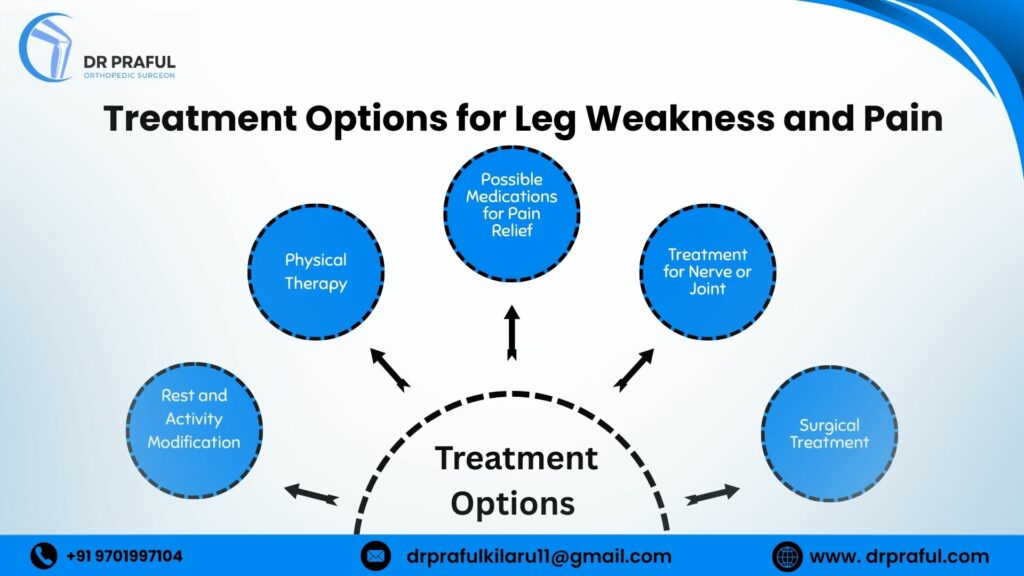
Treatment for leg weakness and pain depends on the underlying cause. In many cases, the condition can improve with simple care, lifestyle changes, and proper medical guidance. The primary goal of treatment is to reduce pain, restore muscle strength, and improve mobility, enabling patients to return to their usual daily activities.
Rest and Activity Modification:
If leg weakness and pain are caused by muscle strain or overuse, doctors usually recommend rest. Reducing activities that place excessive pressure on the legs allows the muscles to recover. At the same time, complete inactivity is not always advised. Gentle movement and light walking can help maintain circulation and prevent stiffness.
Physical Therapy:
Physical therapy is one of the most effective treatments for leg weakness. A trained therapist guides patients through specific exercises that strengthen the muscles and improve flexibility. These exercises also help improve balance, posture, and coordination, which are important for safe movement.
Medications for Pain Relief:
Doctors may recommend medicines to decrease swelling and help control pain. Anti-inflammatory medicines are commonly used when swelling or irritation is present in the muscles or joints. These medications should be taken only under medical supervision to minimize adverse effects.
Lifestyle Changes:
Certain lifestyle adjustments can play a major role in improving leg strength and reducing pain.
- Keeping a healthy weight can lower the pressure placed on your joints.
- Keep your body active by doing regular walking or simple exercises.
- Take breaks if your work involves long periods of sitting or standing
- Eat healthy foods that contain important vitamins and minerals.
These changes support muscle health and help prevent future problems.
Treatment for Nerve or Joint Conditions:
If leg weakness is caused by nerve compression, arthritis, or other medical conditions, doctors may recommend specific treatments. These may include advanced physiotherapy, injections, or targeted medical therapies depending on the diagnosis.
Surgical Treatment (When Necessary):
Surgery is rarely required for leg weakness and pain. It is usually considered only when there is severe structural damage, nerve compression, or when other treatments fail to provide relief. The type of surgery depends on the exact condition affecting the leg.

Simple Lifestyle Changes That Can Help
Many cases of leg weakness and pain can be improved by making healthy lifestyle adjustments. These changes help strengthen the muscles and reduce stress on the joints.
Helpful lifestyle habits include:
- Maintaining a healthy body weight
- Performing regular stretching and strengthening exercises
- Staying physically active with moderate activity
- Taking breaks during long periods of sitting
- A nutritious and balanced diet supports overall muscle and overall health.
These simple steps can significantly improve muscle strength and reduce the risk of recurring pain.
When Patients Should See a Doctor
- Although occasional leg pain after exercise is normal, certain symptoms should not be ignored. If weakness or pain persists for several weeks or worsens, it is important to seek medical advice.
- Patients should consult a doctor if they experience difficulty walking, sudden weakness, severe swelling, or pain that spreads from the lower back into the leg. These symptoms may indicate a more serious condition that requires proper evaluation and treatment.
- Identifying the problem early can help avoid serious complications later.
Treating the problem at an early stage often leads to faster recovery and better long-term outcomes.
Preventing Leg Weakness and Pain
- Preventing leg weakness and pain is often possible through regular care of the muscles and joints. Staying active and maintaining good posture can help maintain leg strength and flexibility.
- Warm-up exercises before physical activity prepare the muscles for movement and reduce the risk of strain. Similarly, stretching after exercise helps maintain flexibility and prevent stiffness.
- It is also important to avoid excessive strain on the legs. Wearing comfortable footwear and maintaining proper posture while walking or standing can significantly affect long-term joint health.
Conclusion
Leg weakness and pain can impair daily activities and make simple tasks more difficult. While many cases are caused by transient muscle strain or fatigue, persistent symptoms may indicate underlying issues involving nerves, joints, or circulation. Understanding the causes and recognizing the early warning signs can help patients take the right steps toward recovery. Most patients improve with proper rest, exercise, and medical care. Maintaining a healthy lifestyle, staying physically active, and seeking medical advice when needed can help protect leg strength and function. By paying attention to the body’s signals and addressing problems early, patients can maintain mobility and continue their daily activities with confidence.
Legs Weakness and Pain – FAQs
1. What causes weakness and pain in the legs?
Leg weakness and pain can happen due to muscle strain, nerve problems, poor blood circulation, or joint issues. Prolonged standing or sitting can also affect the muscles. In some cases, injuries or medical conditions may be the reason.
2. Can lack of exercise cause leg weakness?
Yes, lack of physical activity can make the leg muscles weak over time. When muscles are not used regularly, they lose strength and flexibility. Simple exercises and walking can help improve muscle strength.
3. When should I see a doctor for leg weakness?
You should see a doctor if the weakness or pain lasts for several days or keeps getting worse. Difficulty walking, severe swelling, or numbness in the leg should not be ignored. Early medical advice helps identify the problem quickly.
4. Can dehydration cause leg pain or cramps?
Yes, insufficient water intake can lead to muscle cramps and leg pain. Dehydration disrupts the body’s mineral balance, which supports proper muscle function. Drinking enough fluids can reduce the chances of cramps.
5. How can I prevent leg weakness and pain?
Regular exercise and stretching help keep the leg muscles strong. Avoid staying in the same sitting position for long periods and try to move around often. Eating a healthy diet also helps support muscle strength.