
Joint Fusion Surgery in Hyderabad
Dr. Praful’s Orthopedic Clinic, Malakpet
with
Advanced Diagnosis & Expert Care by Dr. Kilaru Praful
Joint problems that cause severe pain, instability, deformity, or loss of function often need careful evaluation and proven treatment for lasting relief. With over 18 years of experience, advanced surgical skills, and a patient-first approach, Dr. Praful Kilaru is known for providing reliable Joint Fusion Surgery in Hyderabad. He offers personalized care using modern diagnostic tools, detailed assessment, and well-planned surgical techniques to stabilize affected joints, reduce chronic pain, and improve overall function—helping patients regain confidence and manage daily activities more comfortably.
What is Joint fusion surgery?
Joint Fusion Surgery (Arthrodesis) is a procedure in which two bones of a joint are permanently fused to eliminate painful motion. This is commonly recommended for: Severe osteoarthritis Rheumatoid arthritis (RA) Post-traumatic joint deformity Failed joint replacements Chronic instability Neuromuscular disorders By stabilizing the joint arthrodesis restores alignment, improves function, and eliminates the root cause of chronic pain.
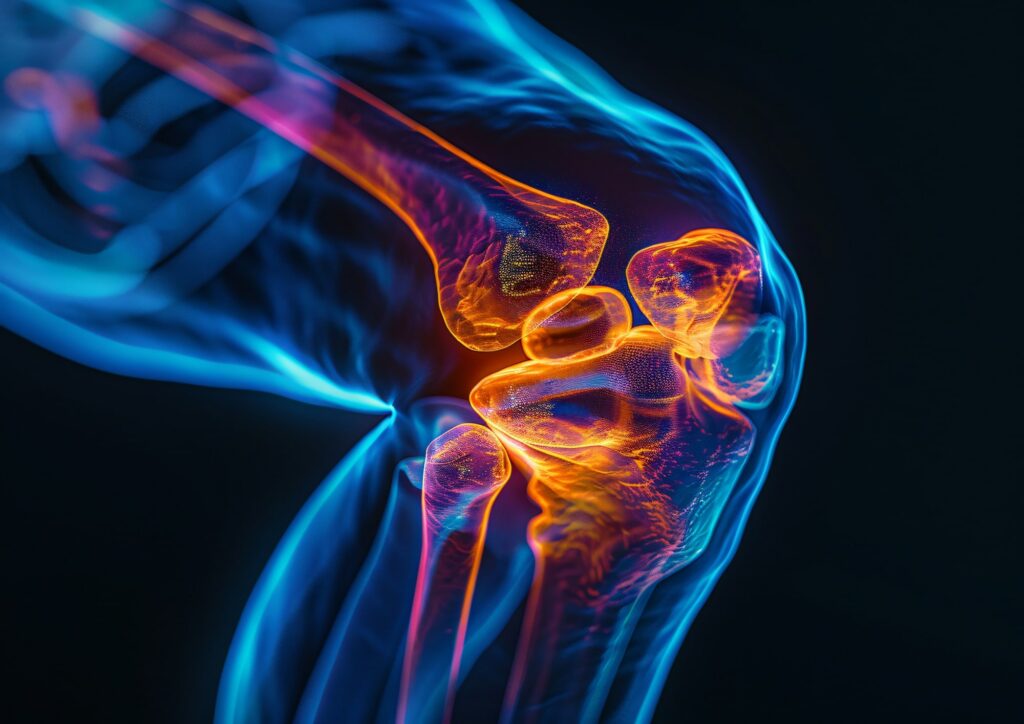
Joint Fusion Surgery in Hyderabad – Expert Care for Long-Term Relief
Joint Fusion Surgery in Hyderabad focuses on relieving severe joint pain and instability when other treatments no longer provide relief. This procedure involves permanently joining two bones in a damaged joint, helping eliminate painful movement and improve overall joint strength and stability. The main goal of joint fusion surgery is to reduce chronic pain, correct deformity, and allow patients to regain confidence in daily activities with improved comfort and function.Joint fusion is commonly recommended for conditions such as advanced arthritis, complex fractures, severe joint deformities, chronic infections, nerve-related joint pain, or failed previous surgeries. Pain and stiffness in joints like the ankle, wrist, spine, or small joints of the foot and hand can significantly affect quality of life, making even simple movements difficult.
In Hyderabad, joint fusion surgery is carefully planned after a detailed evaluation of the joint condition, pain severity, lifestyle needs, age, and overall health of the patient. Treatment is never one-size-fits-all. Each surgical plan is tailored to ensure long-term stability, pain relief, and safe recovery. With the right surgical approach and proper rehabilitation, joint fusion can help patients move forward with reduced pain and a more active, independent life.
About the Dr.Praful
Joint pain and instability can make simple daily activities like walking, standing, climbing stairs, sitting, or even sleeping very difficult, and if left untreated, the condition may worsen over time. At Dr. Praful’s Orthopedic Clinic in Old Malakpet, Hyderabad, we provide expert care for patients who require Joint Fusion Surgery to manage chronic joint pain and severe joint damage. Led by Dr. Praful Kilaru, a senior orthopedic and joint replacement surgeon with over 17 years of experience, our clinic offers accurate diagnosis and personalized treatment planning to relieve pain, improve joint stability, and support long-term mobility, helping patients return to daily life with greater comfort and confidence.

Struggling with Joint Pain? Here’s What You Should Know
Joint Fusion Surgery is a specialized treatment option designed to relieve severe joint pain, stiffness, and instability when other treatments are no longer effective. It involves permanently joining the bones of a damaged joint to stop painful movement, improve strength, and provide long-term stability. Joint problems may develop due to advanced arthritis, old or complex injuries, joint deformities, failed previous surgeries, infections, or long-term wear and tear. The goal of joint fusion surgery is to reduce pain, enhance joint support, and help patients return to daily activities with greater comfort and confidence.
Chronic joint pain can make simple tasks like walking, sitting, standing, or climbing stairs extremely difficult and frustrating. Ignoring the problem may lead to worsening pain and reduced function over time. Seeking timely Joint Fusion Surgery in Hyderabad from an experienced orthopedic specialist can help prevent further damage and improve quality of life. Dr. Praful Kilaru provides careful evaluation and personalized surgical planning to ensure lasting pain relief, improved stability, and a safer return to an active, independent lifestyle.
Common Symptoms Related to Joint Fusion Surgery
Symptoms
- Severe, persistent joint pain
- Joint instability or weakness
- Very limited joint movement
- Grinding or painful joint motion
- Pain during walking or weight-bearing activities
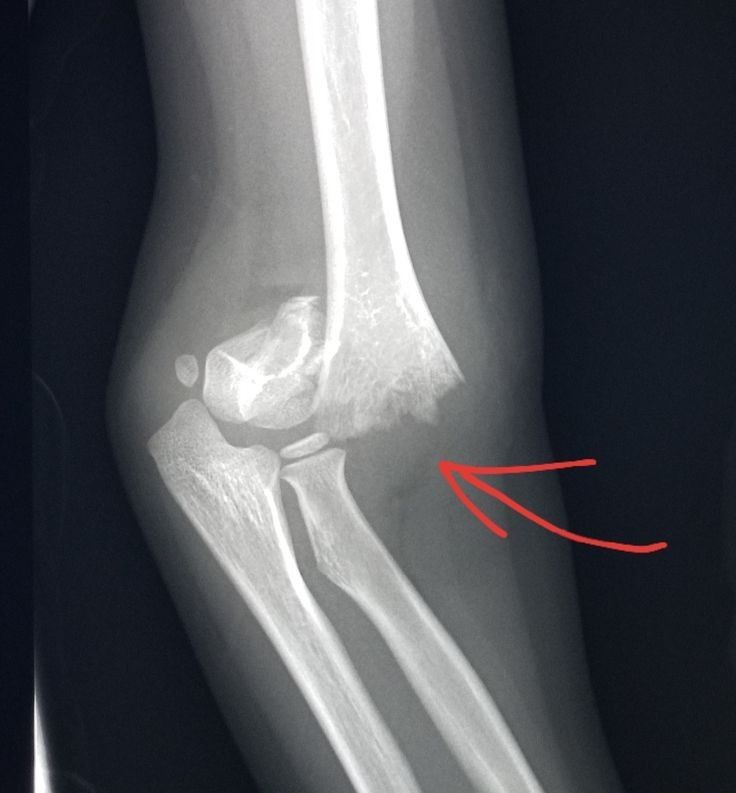

Common Causes of Joint Fusion Surgery
- Advanced arthritis
- Severe joint damage
- Complex fractures
- Avascular necrosis (poor blood supply to bone)
- Chronic joint infection
Joint Fusion Surgery Treatment Options in Hyderabad
Non-Surgical Treatments
- Pain and anti-inflammatory medicines
- Physiotherapy for joint support
- Injections for pain relief
- Activity modification or braces
- Lifestyle changes and weight control
Surgical Treatments
- Joint fusion surgery
- Revision joint fusion
- Minimally invasive fusion techniques
- Bone graft–assisted fusion
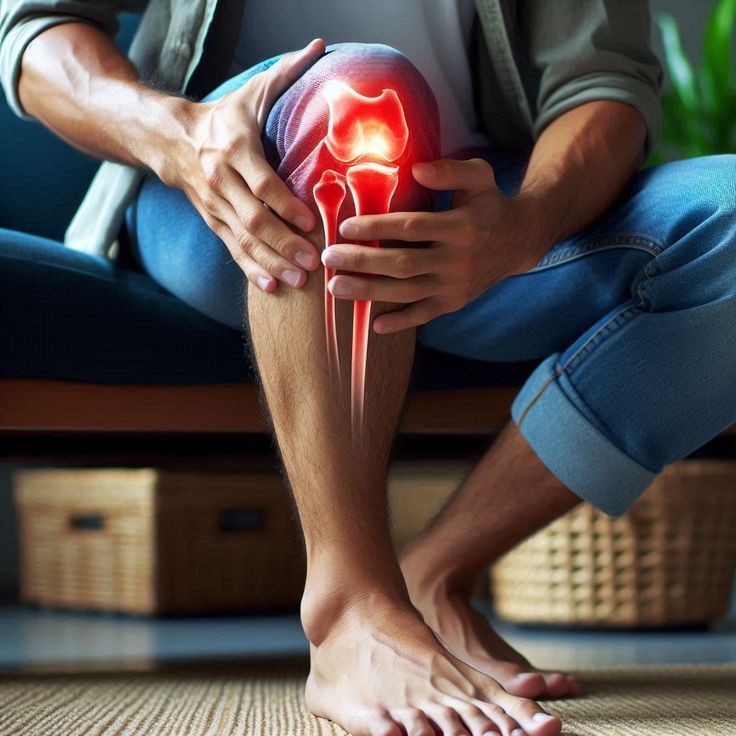
Diagnosis for Joint Fusion Surgery
Discussion of symptoms
Joint and Movement Check
X-rays or scans
Blood or Nerve Tests
Why Patients Highly Recommend Dr. Praful
| S.No | Reason | Description | Category |
|---|---|---|---|
| 1 | Strong Educational Background | MBBS, MS Orthopedics, AO Trauma Fellowship (Switzerland) | Qualification |
| 2 | 18 Years of Clinical Excellence | Successfully treated thousands of patients | Experience |
| 3 | Expert in All Orthopedic Conditions | Knee, spine, shoulder, fractures, sports injuries, pediatric cases | Expertise |
| 4 | Advanced Robotic & Minimally Invasive Surgery | Faster recovery, less pain, precise results | Technology |
| 5 | Honest, Clear & Ethical Treatment | Surgery advised only when truly required | Ethics |
| 6 | High Surgical Success Rate | Thousands of pain-free, satisfied patients | Outcomes |
| 7 | Easy Accessibility – Located in Malakpet | Patients visit from Dilsukhnagar, Amberpet, Chaderghat & more | Location |
| 8 | Excellent Patient Reviews | Known for communication, care & surgical skill | Reputation |
| 9 | Personalized Treatment Plans | Tailored care for every patient | Care Quality |
| 10 | Modern Diagnostic Tools | Accurate assessment with advanced imaging | Diagnostic Quality |
| 11 | Comprehensive Ortho Care | Covers trauma, joint pain, arthritis & sports injuries | Specialty |
| 12 | Friendly & Supportive Team | Smooth experience from consultation to recovery | Patient Support |
| 13 | Fast Recovery Protocols | Focus on minimal downtime and faster healing | Recovery |
| 14 | Transparent Communication | Clear explanation of treatment options | Trust |
| 15 | Affordable Treatment Options | Quality orthopedic care at reasonable pricing | Value |
| 16 | High Patient Satisfaction | Strong word-of-mouth recommendations | Social Proof |
Recovery Timeline After Joint Fusion Surgery
Recovery after Joint Fusion Surgery is different for every patient, because it depends on the type of joint fused, your age, and the overall quality of your bones. In most cases, foot and ankle fusions take around 8–12 weeks, while wrist fusions usually heal within 6–10 weeks. Smaller joints like the fingers or toes recover faster—typically 4–6 weeks. Spinal fusion, being a more complex procedure, may take 3–6 months for complete healing. Throughout this period, your surgeon closely tracks your progress through regular X-rays or scans and adjusts your recovery plan, including when to start weight-bearing or physiotherapy. This careful monitoring ensures the bones fuse properly, helping you return to daily activities safely and with long-term stability.
🩺What Causes the Need for Joint Fusion Surgery?
Joint fusion surgery is usually recommended when a joint is severely damaged, unstable, or causing chronic pain that cannot be treated with medicines or therapy. Dr. Praful carefully evaluates the condition and suggests the best approach for long-term relief.
1. Severe Joint Conditions
- Advanced osteoarthritis
- Rheumatoid arthritis
- Avascular necrosis (AVN)
- Irreversible joint damage
2. Injuries and Overuse Problems
- Complex fractures or joint dislocations
- Muscle, ligament, or tendon injuries affecting stability
- Chronic inflammation like bursitis
3. Nerve-Related or Secondary Pain
- Pain caused by nerve compression, such as sciatica
- Issues in nearby joints, like the sacroiliac joint
Happy Patients
FAQs
1. When should I see a doctor for long-lasting joint pain?
You should visit a specialist if your joint pain continues for more than 3–6 months, especially if it starts affecting your daily activities. Persistent pain often means the joint is damaged and needs medical evaluation before it worsens.
2.How do I know if my joint deformity needs treatment?
If you notice visible joint collapse, deformity, or increasing instability, it’s a strong sign that the joint may no longer be functioning properly. Early consultation can prevent further damage and improve treatment outcomes.
3. What if I cannot walk without pain?
Joint Fusion Surgery in Hyderabad Difficulty walking—even short distances—usually indicates advanced joint deterioration. When pain interferes with simple tasks, it’s important to get examined to avoid long-term mobility issues.
4. Are conservative treatments enough for severe joint problems?
Treatments like rest, medication, physiotherapy, or bracing may help initially, but if they stop working or give only temporary relief, Joint Fusion Surgery in Hyderabad you should get a detailed orthopedic evaluation. Prolonging conservative care sometimes delays necessary intervention.
5. Is reduced joint function a sign of a serious issue?
Yes. If you feel your joint becoming weaker, stiffer, or less reliable day by day, it often means the underlying condition is progressing. Addressing it early prevents irreversible damage.
6. Should I worry about swelling or stiffness every morning?
Frequent swelling or morning stiffness that takes time to ease is a common sign of chronic joint inflammation or arthritis. A specialist can determine the cause and suggest long-term solutions.
7. Is numbness or tingling around the joint normal?
Recurring numbness, tingling, or a “pinched nerve” feeling is not normal. It may indicate nerve compression due to joint degeneration. Early evaluation helps protect nerve health.
8. What if I cannot put weight on the affected joint?
If standing or walking causes sharp pain or you feel unstable when bearing weight, medical attention is required. This often suggests significant joint damage needing timely treatment.
9. Can early diagnosis improve joint fusion surgery outcomes?
Absolutely. Early evaluation allows your surgeon to plan the right approach, which improves fusion success, reduces complications, and speeds up recovery. Joint Fusion Surgery in Hyderabad
10. Why is early consultation important for chronic joint issues?
Because joint problems rarely improve on their own. Getting checked early prevents worsening deformity, reduces pain sooner, and ensures better long-term Joint Fusion Surgery in Hyderabad mobility.
11. How do I know if joint fusion surgery is right for me?
Joint fusion may be recommended if your Joint Fusion Surgery in Hyderabad joint is severely damaged, unstable, or causing long-term pain that no other treatment has improved. Your orthopedic surgeon will assess your scans, mobility, and overall health to confirm if fusion is the safest, most effective option.
12. Is joint fusion surgery safe for older adults?
Yes. Many older adults benefit from joint fusion, especially when arthritis or deformity affects daily movement. With
13. Will joint fusion limit my movement permanently?
Fusion removes painful movement, not functional movement. While the joint no longer bends, most patients gain better overall mobility because the chronic pain and instability are gone.
14. How long does bone fusion take to heal completely?
Bone fusion typically takes 6–12 weeks for smaller joints and 3–6 months for larger or spinal joints. Healing depends on your bone quality, activity level, and adherence to recovery guidelines.
15. What should I avoid during recovery after joint fusion?
Avoid putting unnecessary pressure on the joint, skipping follow-up appointments, or walking without support before your surgeon approves it. Following the recommended restrictions helps the bones fuse correctly.