Recovering from leg surgery is a gradual process that requires careful attention to movement, support, and daily habits. While most patients focus on medication and physiotherapy, one critical aspect is often overlooked—footwear.
The type of shoes you wear after surgery directly affects your recovery speed, comfort, and safety. The wrong footwear can place unnecessary stress on healing tissues, while the right surgery shoe provides stability, reduces pain, and helps restore normal movement.
This guide explains how to choose the best surgery shoe after leg surgery, what features matter, and how men and women can select the right footwear for each stage of recovery.
Today, with the right approach, non-surgical treatments for knee pain can provide long-term relief and help you get back to a normal life without going under the knife. This guide explains what actually works, based on real patient outcomes and expert recommendations.
Why Footwear Matters After Leg Surgery
After any surgical procedure involving the leg—whether it is a knee replacement, ligament repair, or fracture fixation—the body needs external support to maintain proper alignment. Even minor imbalances in walking can lead to strain, discomfort, or delayed healing.
A well-designed surgery shoe helps distribute body weight evenly, minimizes pressure on the affected area, and improves balance while walking. It also reduces the risk of falls, which is especially important during the early stages of recovery when mobility is limited.
In clinical practice, orthopedic specialists often emphasize footwear as a key part of post-surgical care, alongside physiotherapy and guided movement.
What Is a Surgery Shoe?
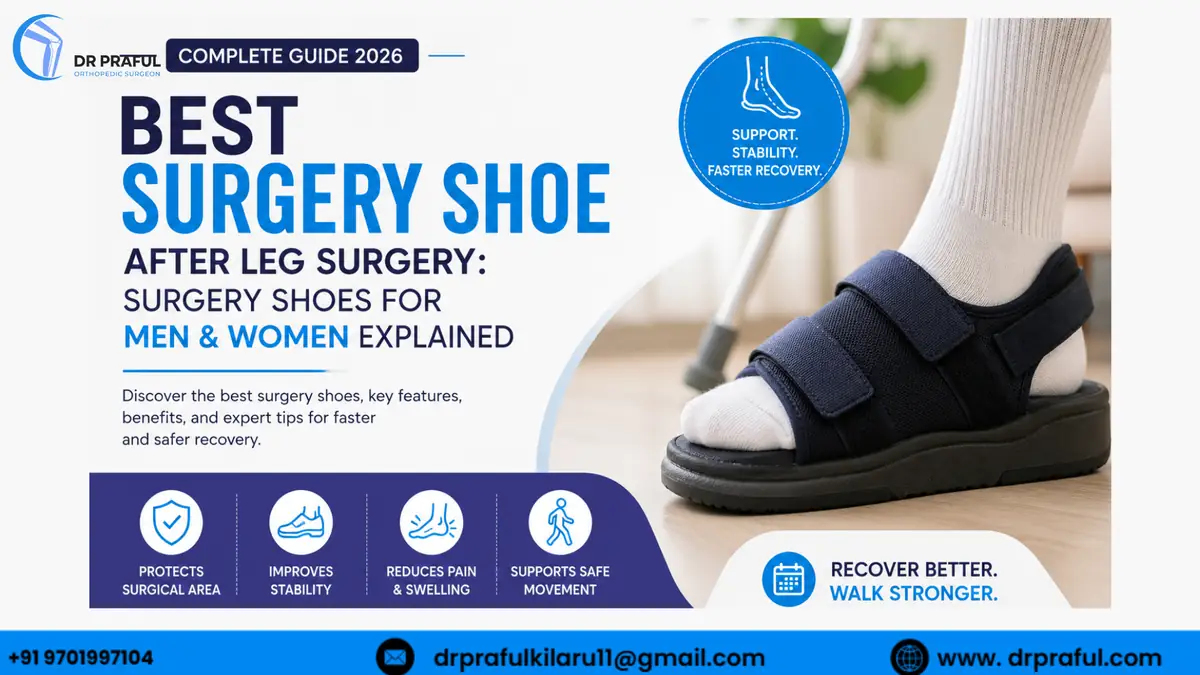
A surgery shoe is a medically designed footwear solution used during recovery after orthopedic procedures. Unlike regular shoes, it is built to accommodate swelling, protect the surgical area, and provide controlled support.
These shoes are commonly recommended for patients recovering from foot, ankle, or knee surgeries. Depending on the stage of healing, they may range from rigid orthopedic footwear to cushioned walking shoes designed for gradual mobility.
The goal of a surgery shoe is not just comfort—it is to ensure safe and structured recovery.
Types of Surgery Shoes Used During Recovery
Your knees carry your body weight throughout the day. Even a small increase in weight can significantly increase stress on the joint.
Losing excess weight reduces pressure on the knee and helps slow down joint damage. It also improves mobility and overall comfort.
Orthopedic Surgery Shoes for Early Recovery
In the initial days after surgery, the primary focus is protection and stability. Orthopedic surgery shoes are specifically designed for this phase.
They usually feature adjustable straps, allowing flexibility as swelling changes. The sole is firm and structured to prevent unnecessary movement, helping the surgical area remain stable. This type of footwear is especially useful when bandages or dressings are present.
Patients are often advised to use these shoes until they are ready to transition into partial weight-bearing.
Medical Walking Boots for Enhanced Support
For more complex procedures such as fractures or ligament injuries, medical walking boots may be recommended. These provide a higher level of support and partial immobilization.
Walking boots help maintain alignment while allowing controlled movement. They are commonly used when the leg needs additional protection but complete immobility is not required. Although slightly bulky, they play an important role in preventing reinjury during recovery.
Supportive Walking Shoes for Mid to Late Recovery
As healing progresses, patients gradually shift to supportive walking shoes. This phase marks the transition from protection to mobility. These shoes are designed with cushioning and shock absorption to reduce the impact of walking. Proper arch support ensures stability, while lightweight materials make movement easier and more natural.
At this stage, footwear should encourage confidence in walking without compromising safety.
Slip-On Shoes for Convenience
For patients who experience difficulty bending or wearing traditional shoes, slip-on options can be useful. However, they should not compromise on support.
A well-designed slip-on surgery shoe should fit securely, provide adequate grip, and maintain alignment. Loose or unsupportive slip-ons can increase the risk of slipping and should be avoided.
Choosing the Right Surgery Shoes for Men and Women
While surgery shoes are generally unisex in design, certain factors differ based on individual needs.
Men may prefer slightly wider fits with more rigid support, especially in the early stages of recovery. Women often look for lightweight options that offer flexibility without compromising stability.
However, the most important consideration is not gender it is how well the shoe supports your specific condition. Proper fit, cushioning, and grip are far more important than design variations.
Key Features That Define a Good Surgery Shoe
Not all shoes labeled as “recovery” footwear are suitable for post-surgical use. A good surgery shoe should meet specific criteria that directly support healing.
Cushioning is essential to absorb shock and reduce pressure on the joints. A non-slip outsole provides safety by preventing accidental falls. Arch support ensures proper alignment, while a wide toe box allows space for swelling and comfort.
Adjustability is another critical factor. Shoes with straps or flexible closures adapt better to changes in foot size during recovery. Lightweight construction further reduces strain during walking.
These features work together to create a stable and supportive walking experience.
Common Mistakes Patients Make
One of the most common mistakes is switching to regular shoes too early. While it may feel comfortable initially, it can disrupt alignment and slow down recovery.
Another issue is choosing footwear based on convenience rather than support. Slippers, flip-flops, and loose shoes may seem easy to wear, but they lack the stability required during recovery. Ignoring medical advice is another risk factor. Each surgery is different, and footwear recommendations should be followed accordingly.
Understanding these mistakes can help patients make better decisions and avoid unnecessary complications.
When to Transition Back to Normal Shoes
The transition from surgery shoes to regular footwear should always be gradual. It depends on the type of surgery, healing progress, and medical advice.
In most cases, patients move from orthopedic shoes to supportive walking shoes before returning to normal footwear. Even then, it is advisable to choose shoes with good cushioning and support. Rushing this transition can lead to discomfort or setbacks, so patience is essential.
The Role of Physiotherapy in Recovery
Footwear alone cannot ensure full recovery. Physiotherapy plays an equally important role in restoring strength, flexibility, and balance. When combined with the right surgery shoes, physiotherapy helps patients regain confidence in movement. It also reduces stiffness and improves overall mobility.
A structured rehabilitation plan, supported by proper footwear, leads to better long-term outcomes.
Conclusion
Choosing the right surgery shoe after leg surgery is a crucial step in the recovery process. It is not just about comfort it is about ensuring proper support, reducing risk, and enabling safe movement.
The right footwear, combined with medical guidance and physiotherapy, can significantly improve recovery outcomes. By making informed choices, patients can return to their normal routine with confidence and stability. For more patient information, see AAOS OrthoInfo: How to use crutches, canes and walkers.
Frequently Asked Questions
What is a surgery shoe and why is it important after leg surgery?
A surgery shoe is a specially designed medical footwear that supports your foot and leg during recovery. It helps maintain proper alignment, reduces pressure on the surgical area, and improves stability while walking. After leg surgery, your body needs external support, and these shoes play a key role in preventing complications and ensuring safe movement during the healing process.
How long should I wear surgery shoes after leg surgery
The duration of wearing surgery shoes varies based on the type of surgery and your individual healing progress. Some patients may need them for a few weeks, while others might require them for several months. It is important to follow your doctor’s advice and avoid switching to regular shoes too early, as it can delay recovery or cause discomfort.
Can I walk normally with a surgery shoe?
Yes, surgery shoes are designed to support safe and controlled walking during recovery. However, your walking pattern may feel slightly different initially due to added support or stiffness. Over time, as your strength improves and pain reduces, walking becomes more natural. Always start with short distances and gradually increase your activity level.
Are surgery shoes different for men and women?
Surgery shoes are generally unisex in design, but they are available in different sizes and fits to suit both men and women. Some variations may include width, weight, and material preferences. However, the core features such as support, cushioning, and stability—remain the same regardless of gender.
Can I wear regular shoes instead of surgery shoes after surgery?
Wearing regular shoes immediately after surgery is not recommended. Most standard footwear does not provide the necessary support, cushioning, or space required during recovery. Switching too early can lead to improper alignment, increased pain, or delayed healing. You should only transition to regular shoes after getting approval from your doctor.
Do surgery shoes help reduce pain during recovery?
Yes, surgery shoes are specifically designed to reduce pain by minimizing pressure on the affected area. They provide cushioning and support, which helps absorb shock while walking. By maintaining proper alignment and reducing strain on joints and muscles, these shoes make movement more comfortable during recovery.
What features should I look for in a good surgery shoe?
A good surgery shoe should have a cushioned sole, non-slip grip, proper arch support, and an adjustable fit to accommodate swelling. It should also be lightweight and provide enough room for comfort. These features work together to ensure stability, reduce strain, and promote a smoother recovery process.
Are slip-on shoes safe after leg surgery?
Slip on shoes can be safe if they provide adequate support and fit securely. They are especially useful for patients who find it difficult to bend while wearing shoes. However, loose or unsupportive slip-ons should be avoided, as they increase the risk of slipping or losing balance during recovery.
When can I switch from surgery shoes to normal footwear?
The transition to normal footwear should be gradual and guided by your doctor. Typically, patients move from orthopedic shoes to supportive walking shoes before returning to regular footwear. Even after recovery, it is advisable to choose shoes with good cushioning and support to maintain long-term joint health.
This article is for general information and does not replace a medical consultation. For advice about your condition, book an appointment with Dr. Praful Kilaru.