Joint pain is no longer a problem limited to older adults. Today, even young professionals, students, and athletes experience joint discomfort due to lifestyle changes, long sitting hours, lack of physical activity, or injuries. Many people ignore early symptoms, assuming the pain is temporary. Understanding when to see an orthopedic doctor for joint pain can help you avoid serious complications and get the right treatment early.
However, delaying treatment can worsen the condition and may lead to chronic pain or even permanent joint damage. Understanding when to see an orthopedic doctor for joint pain is crucial for early diagnosis, effective treatment, and faster recovery.
Understanding Joint Pain: What Exactly Is Happening in Your Body
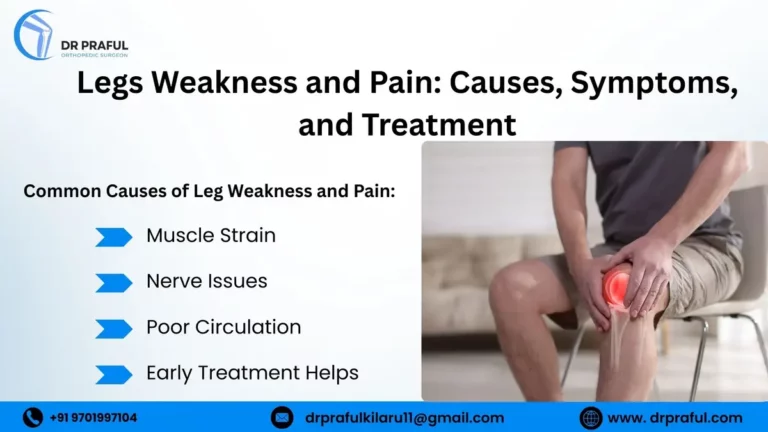
Joint pain occurs when there is damage, inflammation, or stress in the joints where two or more bones meet. Common joints affected include knees, shoulders, hips, elbows, and wrists.
The pain can be:
- Mild and occasional
- Sharp and sudden
- Chronic and long-lasting
- Associated with stiffness or swelling
Major Causes of Joint Pain
- Injury or Trauma
Falls, accidents, or sports injuries can damage ligaments, cartilage, or bones, leading to pain and instability. - Arthritis
Conditions like osteoarthritis (wear and tear) and rheumatoid arthritis (autoimmune) are major causes of joint pain. - Overuse and Repetitive Movements
Continuous stress on joints (like typing, lifting, or running) can lead to inflammation. - Poor Lifestyle Habits
Lack of exercise, obesity, and poor posture increase stress on joints. - Age-Related Degeneration
As we age, cartilage wears down, causing stiffness and pain.
Why Early Consultation with an Orthopedic Doctor Is Important
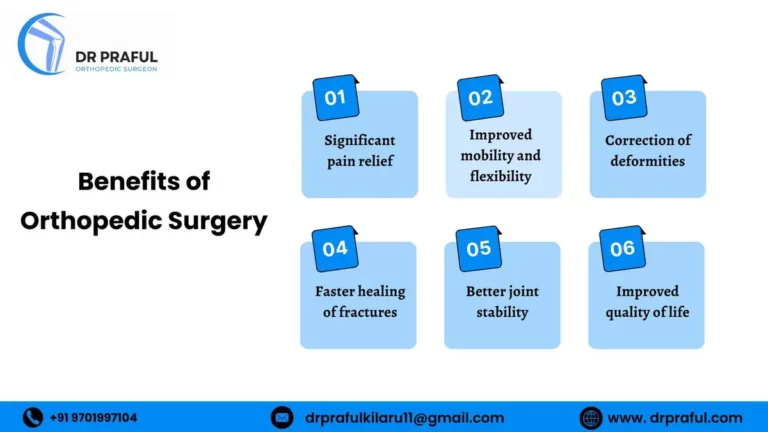
Ignoring joint pain can lead to complications such as:
- Chronic pain that becomes difficult to treat
- Reduced mobility and flexibility
- Joint deformities
- Increased dependency on medications
- Higher chances of requiring surgery
Early diagnosis helps identify the root cause and allows for non-surgical treatment options, which are often simpler, safer, and more effective.
How Orthopedic Doctors Diagnose Joint Pain
An orthopedic specialist will not just treat symptoms but identify the underlying cause.
Common Diagnostic Methods
- Physical examination
- Medical history analysis
- X-rays for bone structure
- MRI or CT scans for soft tissue damage
- Blood tests (for arthritis or infections)
Accurate diagnosis ensures the right treatment plan.
Know more about Dr. Praful Kilaru: visit his personal website drpraful.com
Treatment Options for Joint Pain
Treatment depends on the severity and cause of the condition.
1. Non-Surgical Treatments (First Line of Care)
Most joint problems can be treated without surgery.
- Pain relief medications
- Anti-inflammatory drugs
- Physiotherapy and strengthening exercises
- Lifestyle and posture correction
- Weight management
2. Advanced Non-Surgical Treatments
- Joint injections (to reduce inflammation)
- PRP (Platelet-Rich Plasma) therapy
- Rehabilitation programs
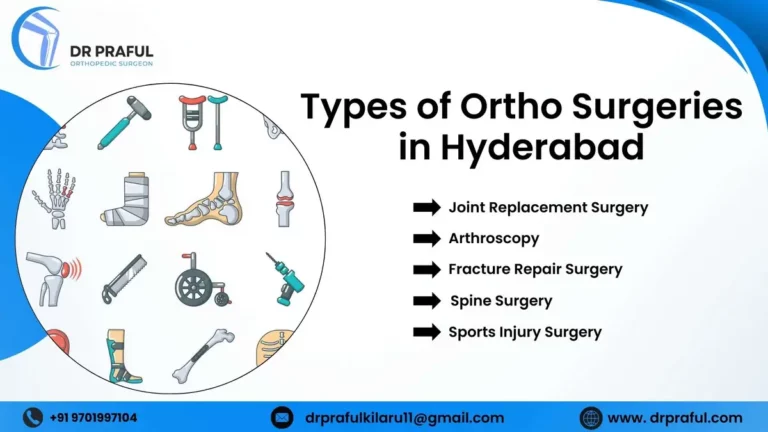
3. Surgical Treatments (When Necessary)
Surgery is usually recommended only when other treatments fail.
- Arthroscopy (minimally invasive procedure)
- Ligament repair
- Joint replacement surgery
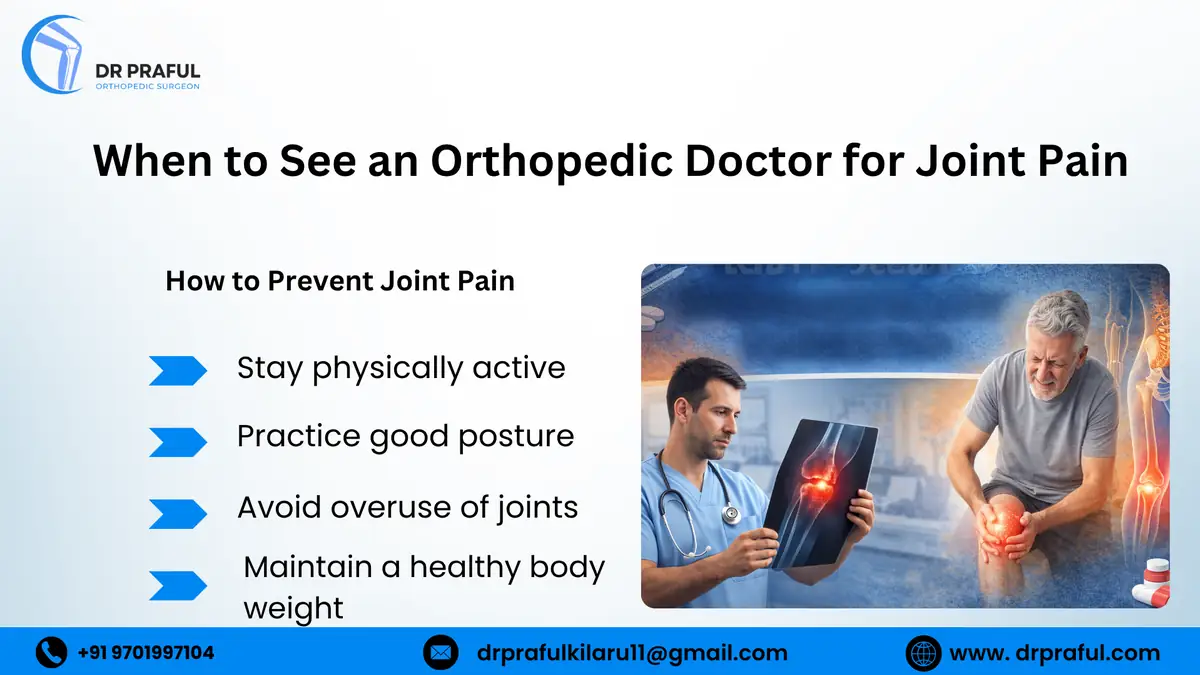
How to Prevent Joint Pain
- Stay physically active
- Maintain a healthy body weight
- Practice good posture
- Avoid overuse of joints
- Include calcium and vitamin D in your diet
- Warm up before exercise
Common Myths About Joint Pain
Myth: Joint pain only affects older adults
Fact: It can affect people of all ages due to lifestyle and injuries
Myth: Exercise worsens joint pain
Fact: Proper exercise strengthens joints and reduces pain
Myth: Surgery is the only solution
Fact: Most cases can be treated without surgery
Conclusion
Joint pain is your body’s way of signaling that something is wrong. Ignoring it may lead to serious complications and long-term damage. Knowing when to see an orthopedic doctor for joint pain helps you take timely action and avoid unnecessary suffering.
If your pain is persistent, worsening, or affecting your daily life, consult an orthopedic specialist and take the right step toward recovery. For more patient information, see MedlinePlus: Joint disorders.
Frequently Asked Questions
When should I see an orthopedic doctor for joint pain?
You should consult an orthopedic doctor if your joint pain lasts more than 3–5 days, keeps recurring, or interferes with daily activities like walking or lifting. Early consultation helps identify the root cause and prevents the condition from worsening.
Can joint pain go away on its own?
Mild joint pain caused by temporary strain or overuse may resolve with rest and basic care. However, persistent or severe pain usually indicates an underlying issue that requires medical attention and should not be ignored.
What are the most common causes of joint pain?
Joint pain is commonly caused by injuries, arthritis, overuse, poor posture, or age-related wear and tear. Lifestyle factors like obesity and lack of physical activity can also contribute significantly to joint problems.
Is joint pain common in young adults?
Yes, joint pain is increasingly common in young adults due to sedentary lifestyles, long sitting hours, gym injuries, and poor ergonomics. Ignoring early symptoms can lead to long-term complications if not treated properly
How is joint pain diagnosed by an orthopedic doctor?
An orthopedic doctor diagnoses joint pain through physical examination, patient history, and imaging tests like X-rays or MRI scans. In some cases, blood tests may be recommended to detect arthritis or infections.
Can joint pain be treated without surgery?
Yes, most joint pain conditions can be effectively managed without surgery using medications, physiotherapy, exercise, and lifestyle changes. Surgery is usually considered only in severe or advanced cases.
What happens if joint pain is left untreated?
If joint pain is ignored, the underlying problem may continue to worsen. Untreated conditions can lead to increased stiffness, reduced mobility, further joint damage and long-term complications, and may make treatment more complex later. Early evaluation by an orthopedic doctor helps identify the cause and start the right treatment.
How can I prevent joint pain in the future?
You can prevent joint pain by maintaining a healthy weight, staying physically active, practicing good posture, and avoiding excessive strain on joints. A balanced diet rich in calcium and vitamin D also supports joint health.
This article is for general information and does not replace a medical consultation. For advice about your condition, book an appointment with Dr. Praful Kilaru.