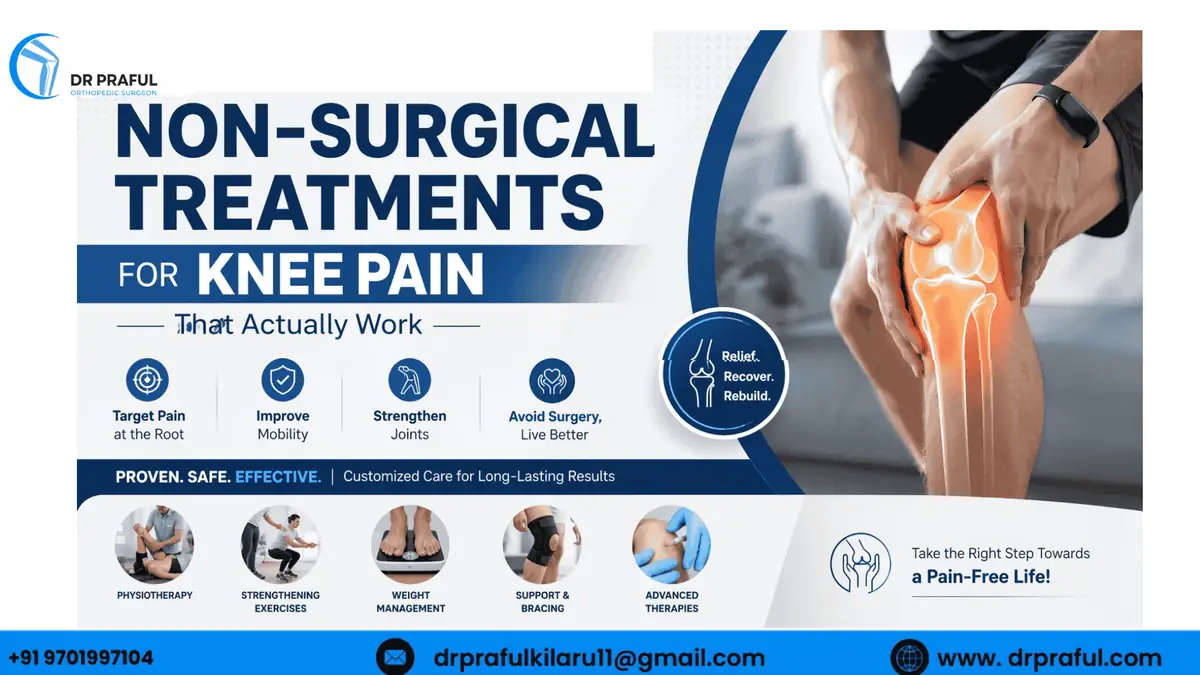
Knee pain can slowly take over your daily life, whether it’s climbing stairs, walking, or even sitting comfortably. Many people assume surgery is the only solution, but that’s not true in most cases.
Today, with the right approach, non-surgical treatments for knee pain can provide long-term relief and help you get back to a normal life without going under the knife. This guide explains what actually works, based on real patient outcomes and expert recommendations.
What Causes Knee Pain and Why Early Treatment Matters
Knee pain doesn’t just happen suddenly. It usually builds up over time due to stress, injury, or poor lifestyle habits. Understanding the cause is the first step toward effective treatment.
Common reasons include joint wear and tear, muscle weakness, ligament injuries, and improper movement patterns. If ignored, these issues can worsen and lead to long-term damage.
Most common causes of knee pain:
- Osteoarthritis (age-related cartilage damage)
- Ligament injuries (ACL, MCL)
- Meniscus tears
- Muscle imbalance or weakness
- Excess body weight
- Poor posture or movement habits
- Early treatment helps prevent complications and reduces the chances of needing surgery later
Exercises to Reduce Knee Pain Naturally
Exercise plays a key role in recovery, but it must be done correctly. The goal is to strengthen the knee without putting extra pressure on it.
Low-impact exercises are highly effective and safe for most individuals dealing with knee pain.
Recommended exercises:
- Straight leg raises
- Wall sits
- Step-ups
- Cycling (low resistance)
- Swimming
- Avoid high-impact movements like jumping or running if your pain is severe. Consistency is more important than intensity when it comes to long-term relief.
Weight Management and Its Direct Impact on Knee Health
Your knees carry your body weight throughout the day. Even a small increase in weight can significantly increase stress on the joint.
Losing excess weight reduces pressure on the knee and helps slow down joint damage. It also improves mobility and overall comfort.
Benefits of maintaining a healthy weight:
- Reduced joint stress
- Lower inflammation levels
- Improved movement and flexibility
- Slower progression of arthritis
- Even a small weight reduction can make a noticeable difference in pain levels.
Medications for Temporary Knee Pain Relief
Medications are often used to manage pain, especially during flare-ups. While they are helpful, they should not be the only treatment approach. They work best when combined with physiotherapy and lifestyle change
Common medications include:
- Paracetamol for mild pain
- NSAIDs like ibuprofen for inflammation
- Topical gels and sprays
- Always use medications under medical guidance, especially for long-term use.
Knee Braces and Support Devices for Stability
Knee braces are simple yet effective tools that provide support and reduce strain on the joint. They are especially useful during physical activity or recovery from injury. By stabilizing the knee, these supports help prevent further damage and reduce discomfort.
Types of knee supports:
- Compression sleeves for mild support
- Hinged braces for ligament injuries
- Patellar straps for kneecap alignment
- Using the right support can improve confidence while walking and exercising.
Heat and Cold Therapy for Immediate Pain Relief
Heat and cold therapy are quick, accessible solutions that can be done at home. They are particularly useful for managing daily pain and stiffness. Cold therapy helps reduce swelling, while heat therapy relaxes muscles and improves blood circulation.
How to use them effectively
- Ice packs for 15–20 minutes to reduce inflammation
- Heat packs for stiffness and muscle relaxation
- Use 2–3 times a day for right results
- This method is simple but highly effective when used consistently
Advanced Non-Surgical Treatments for Knee Pain: Injections
When basic treatments are not enough, advanced non-surgical options like injections can provide significant relief. These are often recommended for moderate to severe knee pain. Different types of injections target different issues, from inflammation to joint lubrication.
Popular injection options:
- Corticosteroid injections for quick pain relief
- Hyaluronic acid injections for joint lubrication
- PRP (Platelet-Rich Plasma) therapy for healing
- These treatments should always be performed by experienced orthopedic specialists.
Lifestyle Changes That Help Prevent Knee Pain
Daily habits play a major role in how your knees feel. Small adjustments in your routine can prevent pain from worsening and support recovery. Improving posture, movement patterns, and activity levels can make a big difference over time.
Simple lifestyle changes:
- Avoid sitting or standing for long periods
- Use proper footwear with good cushioning
- Maintain correct posture while walking and sitting
- Be mindful while using stairs
- These small changes can significantly reduce stress on your knees.
Diet and Nutrition for Stronger Joints
Most orthopedic specialists agree on one key point:
Technology supports surgery but it does not replace surgical expertise.
Robotic surgery is a powerful tool that enhances precision, but the outcome still depends largely on the surgeon’s experience, decision-making, and skill.
Foods that support joint health:
- Fatty fish and flaxseeds (omega-3)
- Leafy greens for vitamins and minerals
- Turmeric for anti-inflammatory benefits
- Dairy or alternatives for calcium
- Avoid processed and sugary foods, as they can increase inflammation.
When to Consult an Orthopedic Specialist
While non-surgical treatments work for many people, it’s important to know when to seek professional help. If pain continues despite trying basic treatments, a specialist can guide you with a personalised plan.
Consult a doctor if:
- Pain lasts more than a few weeks
- Swelling or stiffness increases
- Movement becomes difficult
- Daily activities are affected
- Early consultation can prevent the need for surgery in many cases.
Conclusion
Knee pain doesn’t mean you need surgery. With the right combination of physiotherapy, exercise, lifestyle changes, and medical support, you can achieve long-term relief. The key is to act early and follow a structured approach. Ignoring the problem will only make it worse over time. If you’re experiencing persistent knee pain, consult an expert and start your recovery journey today. The sooner you act, the better your results will be. For more patient information, see NHS: Knee pain.
Frequently Asked Questions
When should I consult an orthopedic doctor for knee pain?
If your knee pain lasts more than 2–3 weeks, worsens with movement, or affects walking, it’s best to consult an orthopedic doctor. Early diagnosis helps avoid surgery and ensures proper treatment.
Can knee pain be treated without surgery?
Yes, most knee pain cases can be treated without surgery. Orthopedic specialists recommend physiotherapy, medications, lifestyle changes, and advanced non-surgical treatments based on the condition.
How effective is physiotherapy for knee pain?
Physiotherapy is one of the most effective non-surgical treatments. Orthopedic doctors design personalized exercise plans to strengthen muscles, improve joint flexibility, and reduce pain.
Are knee injections safe for pain relief?
Yes, when performed by an experienced orthopedic doctor, injections like PRP or hyaluronic acid are safe and can provide long-lasting pain relief without surgery.
Are knee injections safe for pain relief?
Yes, when performed by an experienced orthopedic doctor, injections like PRP or hyaluronic acid are safe and can provide long-lasting pain relief without surgery.
Can I avoid knee replacement surgery completely?
In many cases, early intervention by an orthopedic specialist can delay or even avoid knee replacement surgery through proper non-surgical treatments.
What lifestyle changes help reduce knee pain?
- Maintaining a healthy weight
- Regular low-impact exercises (walking, swimming)
- Avoiding excessive strain on knees
- Proper posture and footwear
How long does non-surgical treatment take to show results?
Most patients see improvement within a few weeks. However, recovery time depends on the severity of the condition and how well you follow the orthopedic doctor’s advice.
Is knee pain common in younger people?
Yes, due to sedentary lifestyle, injuries, or sports activities, even younger individuals experience knee pain. Orthopedic consultation helps identify the exact cause early.
Why is an orthopedic consultation important for knee pain?
An orthopedic doctor specializes in joint health and can accurately diagnose the root cause. Self-treatment may worsen the condition, while expert care ensures faster and safer recovery.
This article is for general information and does not replace a medical consultation. For advice about your condition, book an appointment with Dr. Praful Kilaru.